




Introduction
Magnesium for sleep
Magnesium has become one of the most widely recommended nutrients for supporting relaxation and improving sleep quality.
As more people search for natural alternatives to sleeping pills or melatonin, interest in magnesium for sleep has grown significantly.
Many people now ask questions like:
- Which magnesium helps you sleep?
- When should I take magnesium?
- What is the best magnesium supplement for relaxation?
- How much magnesium should I take to support my sleep?
The answer often comes down to the form of magnesium used in the supplement.
Different types of magnesium are absorbed differently in the body, and some are better suited for supporting relaxation and nervous system balance than others.
If you want to learn more about how magnesium supports sleep, you can explore our full guide to magnesium for sleep.
Why Magnesium Can Help Support Sleep
Magnesium plays a role in more than 300 biochemical reactions in the body.
Many of these processes influence the nervous system, stress regulation and muscle relaxation, all of which affect sleep.
Magnesium may help support sleep by:
- regulating neurotransmitters involved in relaxation
- helping calm the nervous system
- supporting muscle relaxation
- contributing to normal psychological function
Research suggests magnesium may also help reduce sleep onset latency and improve overall sleep quality in some individuals.
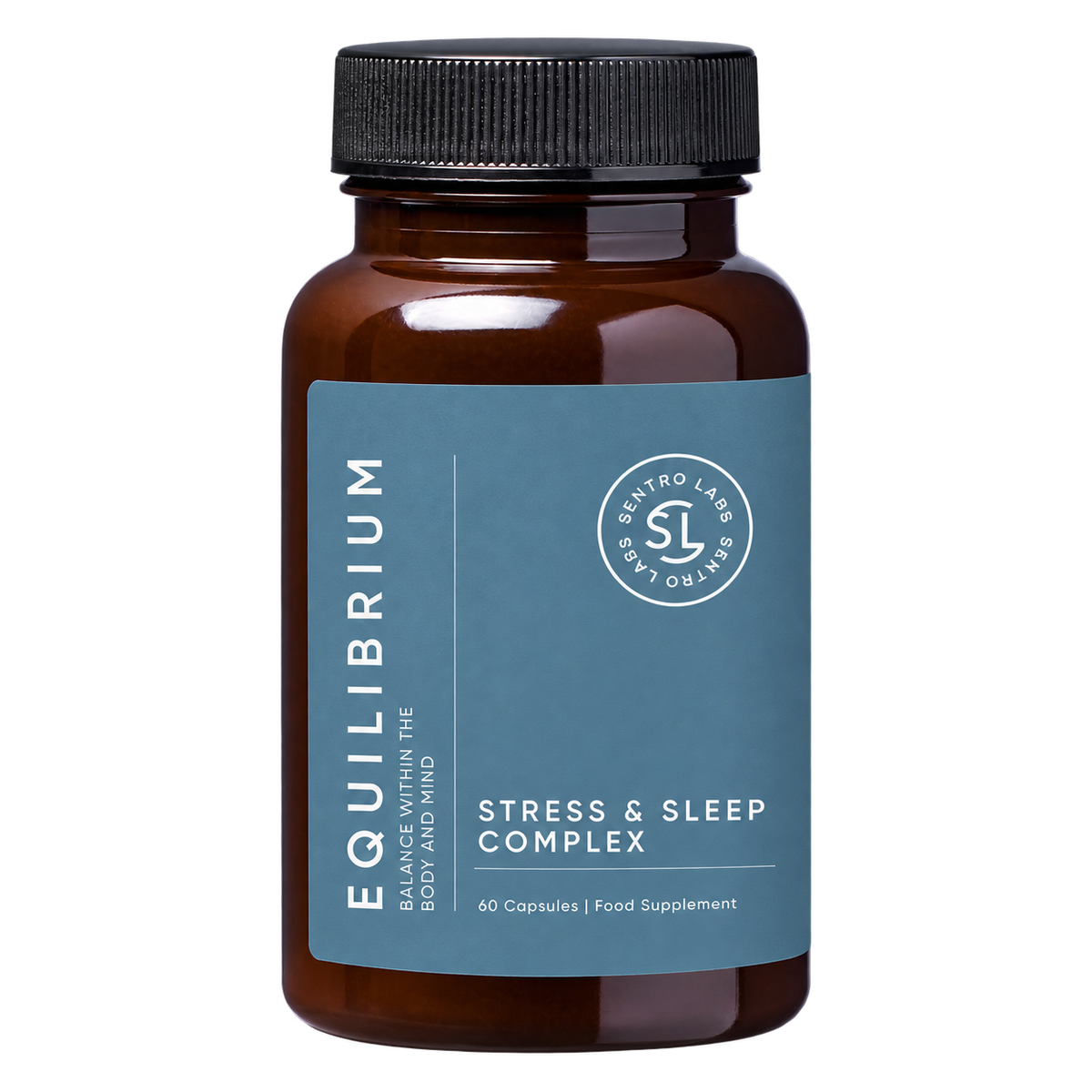
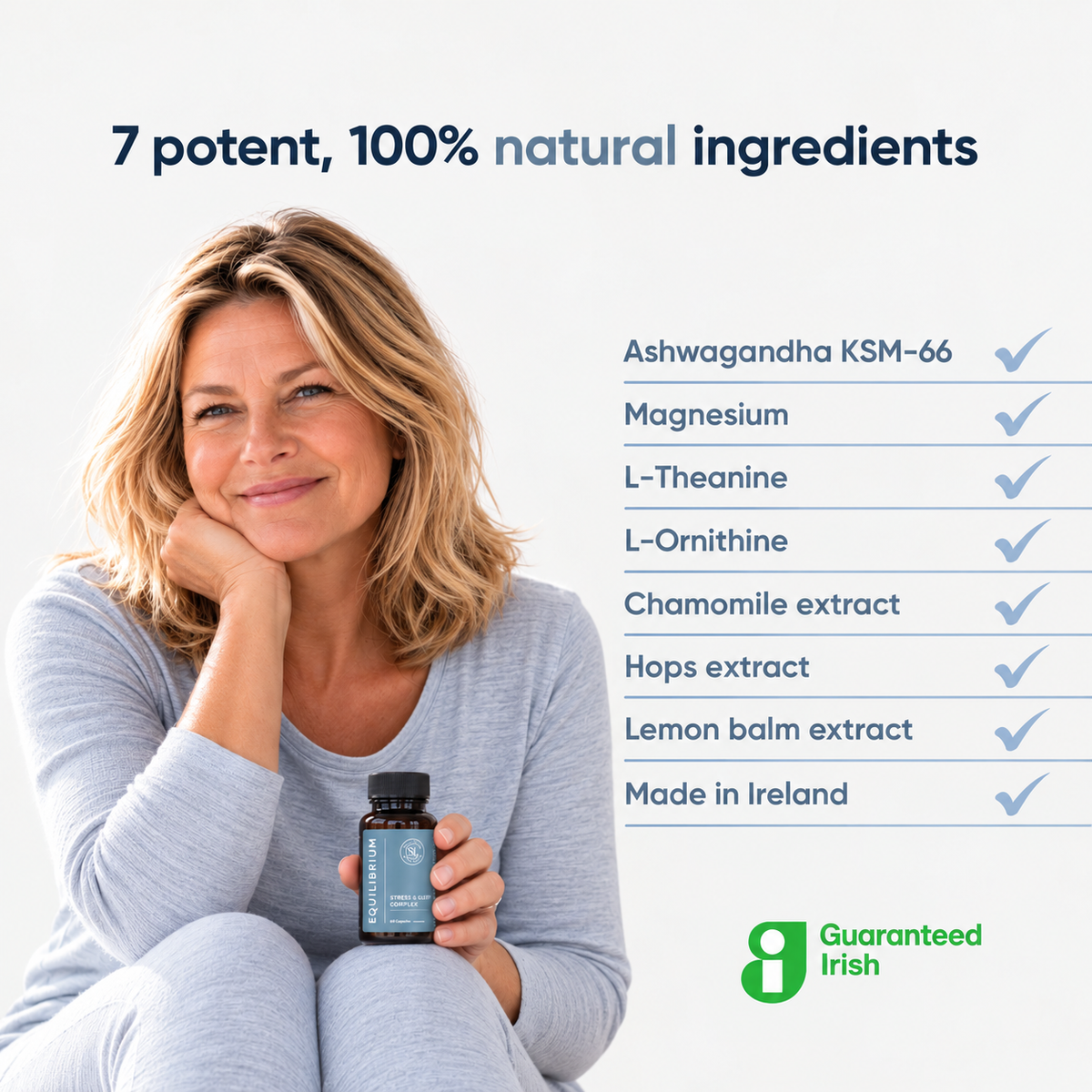
Because of these effects, magnesium is commonly included in natural sleep supplements, such as Sentro Labs' EQUILIBRIUM stress and sleep complex, designed to support relaxation before bed.

Which Magnesium Is Best for Sleep?
Not all magnesium supplements work in the same way.
Magnesium must be bound to another compound to become stable in supplement form, and this creates different types of magnesium.
Some forms are better for digestion, while others are more suitable for relaxation and sleep support.
Magnesium Glycinate (Magnesium Bisglycinate)
Magnesium glycinate, also known as magnesium bisglycinate, is one of the most commonly recommended forms for sleep.
This form combines magnesium with the amino acid glycine, which is known for its calming properties.
Magnesium bisglycinate is often preferred because it is:
- highly absorbable
- gentle on the stomach
- commonly used in supplements designed for relaxation
Because of these qualities, it is frequently used in supplements designed to support stress balance and sleep.
If you're looking for a high-quality magnesium bisglycinate supplement, you can learn more about ours here.
Magnesium Citrate
Magnesium citrate is another widely available form.
It is well absorbed but is often used primarily for digestive support.
Because it can have a mild laxative effect in some people, it may not always be the best option specifically for sleep support.
Magnesium Oxide
Magnesium oxide contains a high percentage of elemental magnesium but tends to have lower absorption compared to other forms.
For this reason, it is not typically the preferred option for relaxation or sleep supplements.

Magnesium and Stress-Related Sleep Problems
Many sleep difficulties are linked to stress and nervous system overstimulation.
Magnesium plays an important role in regulating GABA, a neurotransmitter that helps slow down brain activity and promote relaxation.
When magnesium levels are sufficient, it may help the body transition more easily from a state of alertness into rest.
Because of this, magnesium is often combined with other calming ingredients such as:
- ashwagandha
- l-theanine
- chamomile
- lemon balm
For example, EQUILIBRIUM stress and sleep complex combines magnesium bisglycinate with calming nutrients designed to support relaxation before bedtime.
How Much Magnesium Should You Take for Sleep?
Magnesium requirements vary depending on age, diet and lifestyle.
General guidance suggests that adult women typically require around 270–320 mg per day, while adult men require slightly more.
Many people choose to take magnesium in the evening as part of their nighttime routine.
***However, it is always recommended to follow supplement guidelines and consult a healthcare professional if needed.
Choosing the Best Magnesium Supplement
When choosing a magnesium supplement, it’s helpful to look beyond the label and consider a few important factors. Not all magnesium supplements are the same, and the form of magnesium used can influence how well it is absorbed and how it affects the body.
Some key things to consider include:
- the form of magnesium – different types of magnesium are absorbed differently and may serve different purposes in the body
- the amount of elemental magnesium – this refers to the actual amount of magnesium available for the body to use
- absorption and digestion – some forms of magnesium are easier for the body to absorb and are gentler on the digestive system
- the overall formula – magnesium is often combined with other nutrients or calming ingredients that may help support relaxation and sleep
Among the many forms available, magnesium bisglycinate is frequently recommended for relaxation and sleep support. This form binds magnesium with the amino acid glycine, which is known for its calming properties.
Because of this combination, magnesium bisglycinate is often preferred for supplements designed to support relaxation, stress balance and sleep quality. It is also known for being highly absorbable and gentle on digestion, making it a popular choice for evening use.

FAQ
Which magnesium helps you sleep the best?
Magnesium glycinate or magnesium bisglycinate are often recommended because they are highly absorbable and commonly used to support relaxation.
Is magnesium glycinate the same as magnesium bisglycinate?
Yes. Magnesium glycinate and magnesium bisglycinate are often used interchangeably to describe magnesium bound to glycine.
Can magnesium help with sleep and anxiety?
Magnesium supports nervous system regulation and may help support relaxation and stress balance, which can influence sleep.













Share:
My Testosterone-Boosting 30-Minute Leg Workout (as a busy dad in his 40s)
My Favourite Quick Leg Day: As a Busy Mum of 2 in Perimenopause!