




Introduction
Can magnesium help with sleep?
In short: Magnesium may help support sleep because it plays a role in calming the nervous system, regulating neurotransmitters involved in relaxation and supporting muscle recovery. Forms such as magnesium glycinate or magnesium bisglycinate are often recommended for better sleep because they are easily absorbed and gentle on digestion.
Now for the longer version...
This is one of the most common questions people ask when looking for natural ways to improve sleep.
Magnesium is an essential mineral involved in over hundreds of biological processes in the body, including nervous system regulation, muscle relaxation and stress response. Because these systems all influence sleep, magnesium is often recommended as part of a natural approach to supporting better rest.
Research suggests magnesium may help promote relaxation and support the body’s natural sleep processes, which is why it is frequently included in supplements designed to support sleep and stress balance.
If you would like to learn more about how magnesium works in the body and why it is often used for sleep support, you can read our full guide to magnesium for sleep.

What Does Magnesium Do in the Body?
Magnesium is an essential mineral involved in more than 300 biochemical reactions in the body. These reactions influence everything from muscle function and energy production to nervous system regulation.
When magnesium levels are sufficient, the body is better able to regulate stress responses, muscle relaxation and neurological activity, all of which are important for sleep.
Low magnesium levels may contribute to:
- increased nervous system activity
- difficulty relaxing before bed
- muscle tension
- disrupted sleep patterns
Because of this, magnesium is often included in natural sleep supplements designed to support relaxation and recovery.

Can Magnesium Help With Sleep?
Magnesium may help support sleep by influencing several systems involved in relaxation and stress regulation.
1. Magnesium Helps Calm the Nervous System
Magnesium interacts with GABA receptors, which help slow down brain activity and promote relaxation.
GABA is a neurotransmitter that plays a key role in preparing the body for sleep.
When GABA activity is supported, it may help quiet the mind and reduce the “racing thoughts” that many people experience before bed.
2. Magnesium Supports Healthy Stress Regulation
Stress is one of the most common causes of poor sleep. High stress causes bad sleep, and bad sleep makes stress worse. Here's how you can improve this.
Magnesium plays a role in regulating cortisol, the body’s primary stress hormone. When stress levels remain elevated in the evening, it can become more difficult to fall asleep.
Supporting magnesium levels may help the body transition more easily from a state of alertness into relaxation.
3. Magnesium Helps Relax Muscles
Magnesium is involved in muscle contraction and relaxation.
Adequate magnesium levels help release muscle tension, which may contribute to a greater sense of physical relaxation before sleep.
Which Magnesium Is Best for Sleep?
Not all magnesium supplements are the same.
Different forms of magnesium are absorbed differently and may have different effects on the body.
Some of the most common forms include:
- Magnesium citrate
- Magnesium oxide
- Magnesium glycinate
- Magnesium bisglycinate
Among these, magnesium glycinate (also called magnesium bisglycinate) is often recommended for sleep support.
Magnesium bisglycinate binds magnesium with the amino acid glycine, which is known for its calming properties.
This form is often preferred because it is:
- highly absorbable
- gentle on digestion
- commonly used in supplements designed for relaxation and sleep
You can learn more about this form in our article explaining why magnesium bisglycinate is often recommended for sleep, stress, hormones and exercise.

How Much Magnesium Should You Take for Sleep?
Magnesium requirements vary depending on age, sex and dietary intake.
In general, adult women require around 270–320 mg of magnesium per day, while adult men typically require slightly more.
Some people choose to take magnesium supplements in the evening as part of their nighttime routine to support relaxation before bed.
As with any supplement, it is important to follow dosage recommendations and consult a healthcare professional if you are unsure about your needs.
Natural Sleep Supplements That Contain Magnesium
Magnesium is often combined with other calming nutrients in supplements designed to support sleep and stress balance.
Common ingredients found alongside magnesium include:
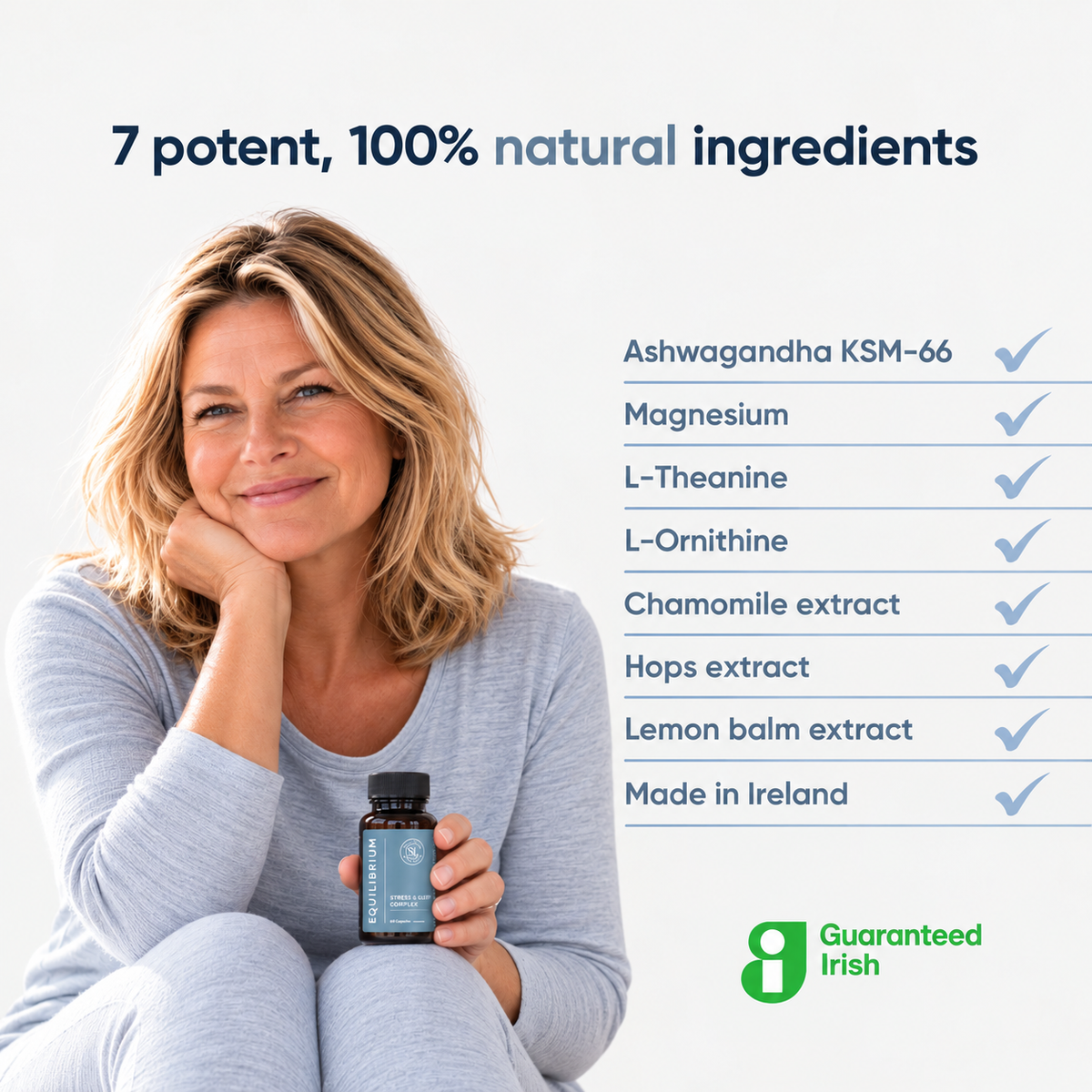
- Ashwagandha - an adaptogenic herb that supports stress regulation
- L-theanine - an amino acid that promotes calm focus and relaxation
- Chamomile - a traditional calming herb
These ingredients work together to help support relaxation before sleep.
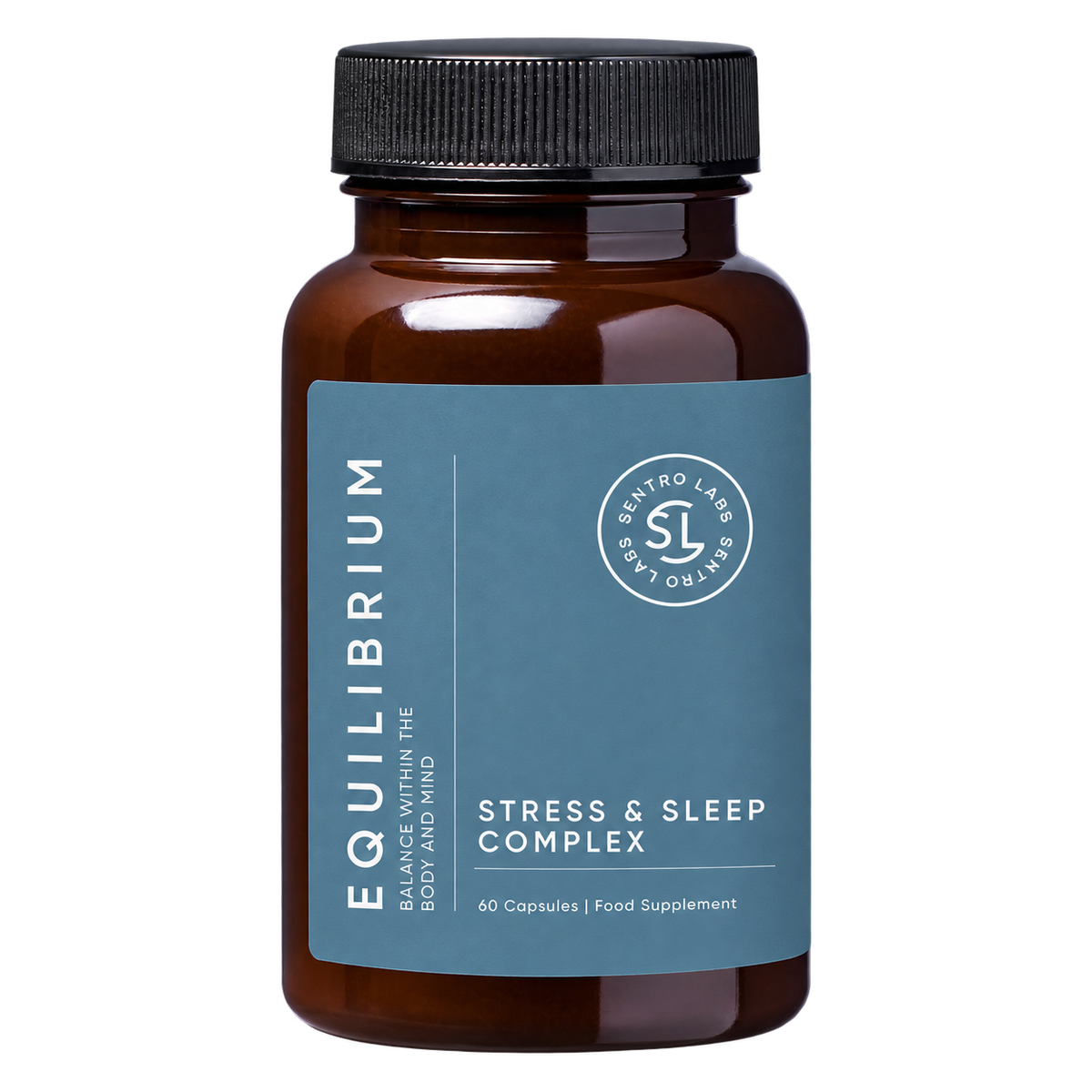
For example, EQUILIBRIUM Sleep and Stress Complex combines magnesium bisglycinate with six other natural, calming nutrients designed to support relaxation and stress balance before bedtime.
For those looking to support sleep more consistently, we also developed our 90-Day Sleep System. This simple routine provides ongoing nutritional support for relaxation and sleep by combining 90 days of EQUILIBRIUM Sleep and Stress Complex with a FREE Magnesium Bisglycinate, helping support the body’s natural sleep processes consistently.

Supporting Better Sleep Naturally
Improving sleep often involves a combination of lifestyle habits and nutritional support.
Some of the most effective ways to support sleep include:
- reducing screen exposure before bed
- limiting caffeine later in the day
- maintaining a consistent sleep schedule
- creating a relaxing evening routine
- supporting relaxation with nutrients such as magnesium bisglycinate
- sleeping in a cool, dark room
Because magnesium helps regulate several processes involved in relaxation and nervous system balance, it has become one of the most widely recommended nutrients for supporting sleep naturally.
If you would like to learn more about how magnesium supports sleep, read our complete guide to magnesium for sleep and relaxation.
FAQs
Can magnesium help with sleep?
Magnesium helps regulate the nervous system and support relaxation, which may contribute to better sleep quality.
Which magnesium is best for sleep?
Magnesium glycinate / magnesium bisglycinate are often recommended because they are highly absorbable and commonly used for relaxation support.
When should you take magnesium for sleep?
Many people choose to take magnesium in the evening as part of their bedtime routine. Taking magnesium around 30-60 minutes before bed may help support relaxation as the body begins to wind down for the night. Consistency is often more important than exact timing, so taking magnesium at the same time each evening can help build a regular routine.



















Share:
Magnesium for Sleep: The Best Natural Supplement for Better Sleep
My Testosterone-Boosting 30-Minute Leg Workout (as a busy dad in his 40s)