




A few years ago, I was doing everything "right" — eating well, exercising, trying to manage my stress — and I still couldn't shift the extra weight I'd been carrying since my thirties. It wasn't until I started paying serious attention to my sleep that things began to change. And I'm not alone. According to the 2025 Healthy Ireland Survey, 32% of Irish adults are sleeping six hours or less — up from just 25% in 2019. That's nearly a third of us running on dangerously low sleep, and most of us don't realise the price our waistline is paying for it.
Does lack of sleep actually cause weight gain?
Yes — and the science is surprisingly clear on this. When you don't get enough sleep, two key hunger hormones go haywire: ghrelin (the one that tells you you're hungry) shoots up, while leptin (the one that signals fullness) drops. A 2023 laboratory study published in the journal Obesity found that just two days of restricted sleep — down to four hours a night — reduced leptin levels by 18% and elevated ghrelin by 28%. In plain terms? You wake up hungrier, fullness takes longer to kick in, and your brain is particularly drawn to high-calorie, high-sugar foods. This isn't a willpower problem. It's a biology problem.
This hormonal disruption also affects your prefrontal cortex — the part of the brain that governs impulse control. So not only do you want the biscuits more, you're also less equipped to say no. Two hits from one bad night's sleep. And when it happens night after night, the caloric surplus adds up faster than most people expect.
What does cortisol have to do with sleep and weight?
Cortisol is your body's primary stress hormone, and here's what most people don't realise: it spikes when you're sleep-deprived. When cortisol stays elevated — as it does when you're chronically under-slept — your body shifts into a kind of biological survival mode. It stores fat, particularly around the abdomen. It slows your metabolism. It signals your liver to release more glucose into the bloodstream, which raises insulin levels. Over time, this pattern — sleeplessness → high cortisol → high insulin → fat storage — is one of the key drivers of unexplained weight gain in adults in their 40s and 50s.
If you've been eating well, moving your body, and still feeling like nothing is shifting, this might be exactly what's happening underneath the surface. It's incredibly common, and it's incredibly underdiagnosed. I wrote more about how cortisol works in the body in this piece — it's worth reading alongside this one, because the two issues are closely linked.
Can supplements help break the sleep and weight gain cycle?
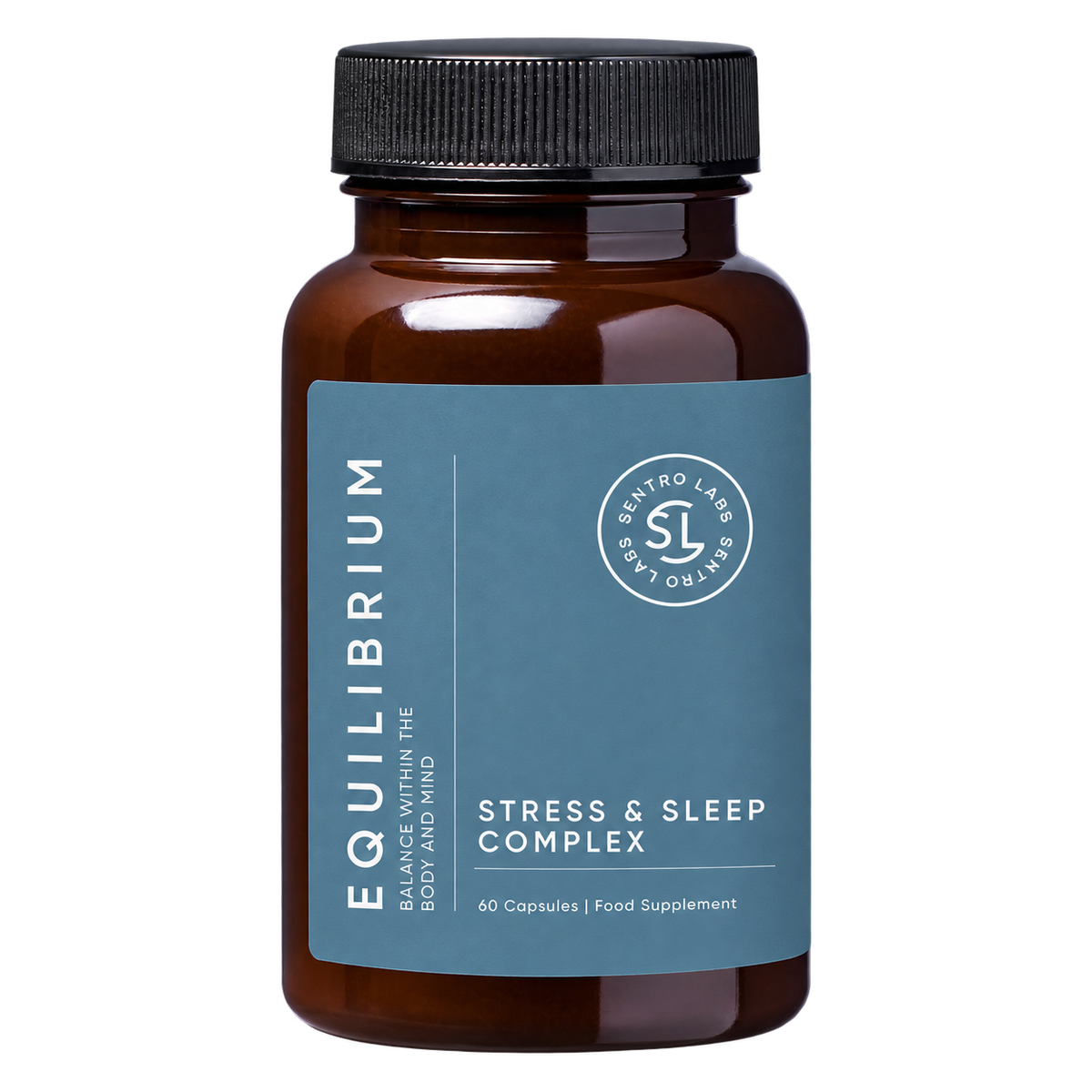
Here's what I've learned: the most effective approach is to support your body at both ends — improving sleep quality so cortisol doesn't spike, and giving your metabolism the tools it needs to recover. When I was formulating Equilibrium, I put KSM-66 Ashwagandha at the centre specifically because it's one of the most clinically studied adaptogens for reducing cortisol. Multiple randomised controlled trials have shown KSM-66 significantly lowers serum cortisol levels compared to placebo — and lower cortisol means better sleep quality and less fat-storage signalling.
We paired it with Magnesium Glycinate (which supports deeper sleep stages and helps the nervous system down-regulate) and L-Theanine (which promotes alpha brainwave activity — the relaxed-but-alert state that helps you drift off without that wired feeling). If sleep disruption is your primary issue, Magnesium Bisglycinate on its own is also a brilliant starting point. It's the most bioavailable form of magnesium, and it specifically supports the GABA pathways involved in deep, restorative sleep.
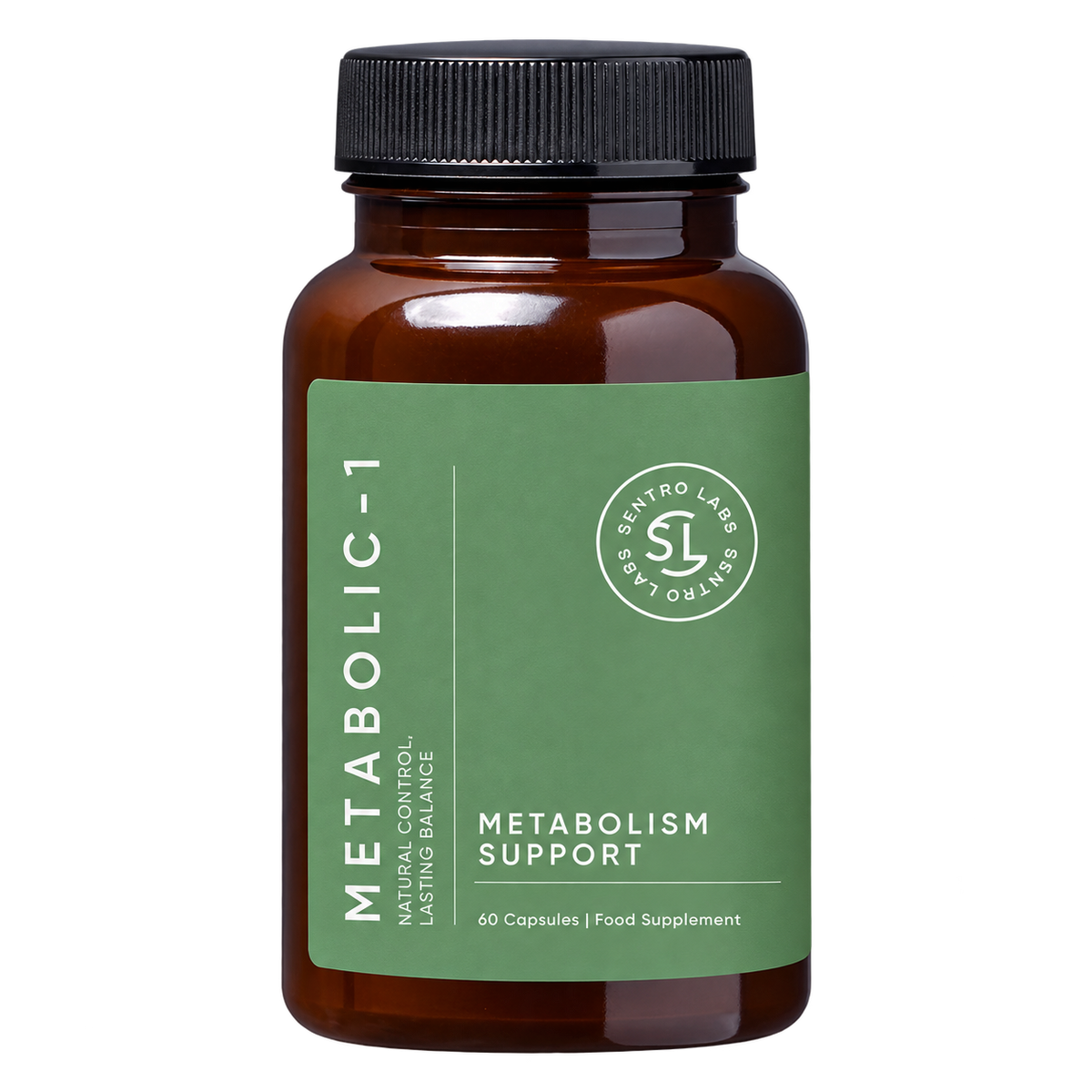
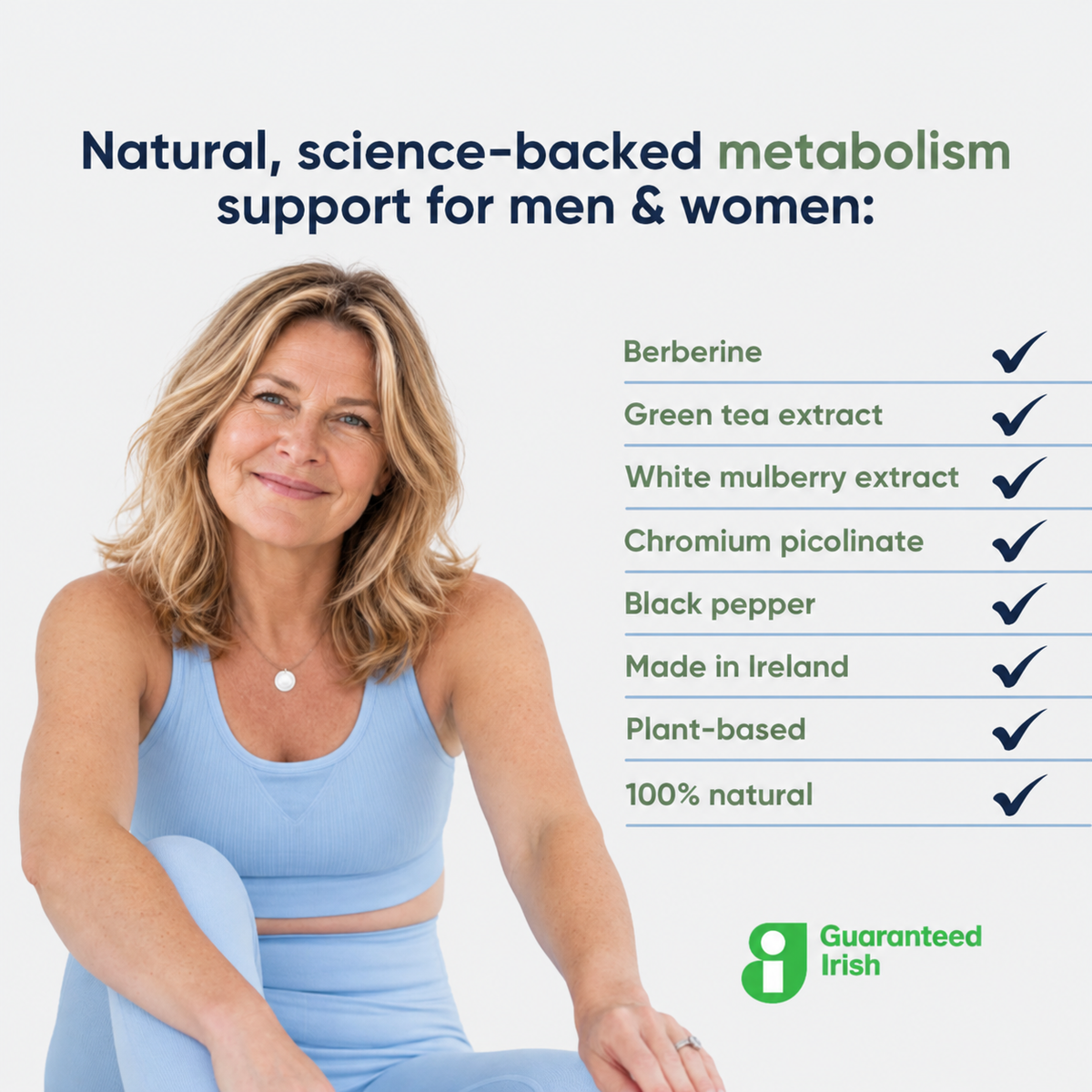
For those who feel the metabolic side has already taken hold — blood sugar fluctuations, strong carb cravings, energy crashes through the afternoon — Metabolic-1 contains Berberine 500mg, which research shows activates AMPK, the enzyme often called the body's metabolic master switch. It's not a quick fix, but paired with better sleep, it gives your body a real fighting chance.
What practical steps can I take tonight to improve my sleep and support my metabolism?
A few targeted changes can make a meaningful difference relatively quickly — and none of them require a complete lifestyle overhaul.
- Protect your sleep window. Even if 8 hours isn't realistic right now, aim for consistent times — same bedtime, same wake time every day. Your cortisol rhythm follows your sleep rhythm. Regularity matters more than duration in the short term.
- Cut off caffeine by 2pm. Caffeine has a half-life of 5–7 hours. That 4pm coffee is still active in your system at 11pm, keeping cortisol elevated and blocking adenosine — your body's natural sleepiness signal.
- Eat your last meal 2–3 hours before bed. Late eating raises blood sugar and core body temperature, both of which disrupt deep sleep and keep cortisol ticking over when it should be falling.
- Dim your environment after 9pm. Your brain interprets blue light from screens as daylight, suppressing melatonin production. This one change alone made a noticeable difference for me — and it costs nothing.
- Take magnesium before bed. Magnesium Bisglycinate, taken 30–60 minutes before sleep, actively supports the cortisol drop that should happen naturally as you wind down. I hear from customers regularly who notice a difference within the first week.
If you're also finding that your immunity has taken a hit alongside your sleep, I explored that connection in this recent article — the same underlying mechanisms often overlap.
Frequently Asked Questions
Does lack of sleep really cause weight gain?
Yes — sleep deprivation disrupts two key hunger hormones, ghrelin and leptin, increasing hunger and reducing feelings of fullness. It also raises cortisol, which promotes fat storage, particularly around the abdomen. This is one of the most consistently replicated findings in sleep and metabolic research.
How much sleep do I need to avoid weight gain?
Most adults need 7–9 hours per night for healthy metabolic function. Consistently sleeping less than six hours appears to have the most significant impact on hunger hormones and cortisol levels. Even moving from five to seven hours can produce measurable hormonal improvements within days.
Can improving my sleep help me lose weight?
It can certainly help. Better sleep reduces cortisol, normalises hunger hormones, and improves energy levels for physical activity. Sleep is rarely the only factor, but for many people — particularly those in their 40s and 50s — it's the missing piece that everything else depends on.
What is the best supplement for sleep and weight management in Ireland?
There's no single answer, but combining sleep-supportive supplements — Magnesium Bisglycinate and Ashwagandha KSM-66 — with metabolic support like Berberine addresses both ends of the cycle. Equilibrium covers the sleep and cortisol side; Metabolic-1 supports blood sugar and metabolic function.
Why do I crave sugar and carbs when I'm tired?
Sleep deprivation increases ghrelin (which drives hunger) while simultaneously reducing activity in the prefrontal cortex — the part of the brain responsible for impulse control. The result is that high-sugar, high-fat foods feel genuinely irresistible, not just tempting. It's a physiological response, not a character flaw.
If there's one thing I want you to take away from all of this, it's that weight management isn't just about calories and exercise. Sleep is infrastructure. When it's broken, almost everything else in your body struggles to work properly — including your metabolism. I didn't fully understand that until I experienced it myself, and I see it reflected in the messages we get from customers every single week.
Start with sleep. Protect it like it matters, because it absolutely does. And if you need a little support getting there, Equilibrium and Magnesium Bisglycinate are what I reach for — and what I built this brand around.
This article is for informational purposes only and does not constitute medical advice. Please consult your GP if you are experiencing persistent sleep difficulties.
Explore the range:














Share:
Menopause & Perimenopause: Can KSM-66 Ashwagandha Help?
High-Protein Breakfast for Menopause & Perimenopause