




Last autumn I picked up three colds in the space of two months. I kept thinking it was just bad luck — the kids bringing bugs home, the change in weather. But when I actually looked at what was going on in my life at the time, the pattern was obvious: I was exhausted. Properly exhausted. Going to bed late, waking up early, running on caffeine and willpower. And every time I let my sleep slip, I got sick within a fortnight.
It turns out this isn't bad luck at all. It's biology. And once you understand the connection, it genuinely changes how you think about both sleep and your immune system.
Does sleep actually affect your immune system?
Yes — more than almost anything else you do. While you sleep, your body is busy producing the proteins and cells it uses to defend you against infection. Think of sleep as your immune system's maintenance window. Skip it too often, and the whole system starts running on the back foot.
Here's a stat that stopped me in my tracks when I first read it: people sleeping five hours or fewer a night are 4.5 times more likely to catch a cold after being exposed to a virus, compared to those getting seven or more hours. Not 10% more likely. Four and a half times. That's the kind of number that makes you put the phone down and go to bed.
And it's not just colds. Poor sleep is linked to everything from taking longer to shake off a chest infection, to your flu vaccine being less effective, to wounds healing more slowly. Your immune system is genuinely trying to protect you — but it needs you to sleep for it to do its job.
Why does missing sleep make you more likely to get sick?
I promise I'm not going to get too science-y here, but it helps to understand three things that happen when you're not sleeping enough — because they explain a lot.
Your immune cells go quiet. Your body has specialised cells whose entire job is to detect and destroy viruses before they take hold. When you're sleep-deprived, those cells become far less active. It's like your security system going into low-power mode right when you need it most.
Your stress hormone stays high. Cortisol — the hormone your body produces when you're stressed or running on empty — actively dials down your immune response. The longer you stay awake, the more cortisol you produce, and the more your immune defences get suppressed. This is exactly why the busiest, most stressed seasons of life are also the ones where you seem to catch everything. I wrote more about what cortisol actually does in your body here, if you want to go deeper on that.
Your body misses its overnight repair window. The deep stages of sleep are when your body does its real repair work — regenerating cells, clearing out waste, resetting your nervous system. Cut that short consistently and you're essentially skipping the maintenance. Over time, it adds up.
If you're in your forties or fifties, this tends to hit harder than it did in your thirties. Recovery takes longer. The effects of a bad week's sleep linger. That's not weakness — it's just where we are, and it's worth taking seriously.
What can I actually do to support my immune system if I'm not sleeping well?
Two things, and I'd start both at the same time.
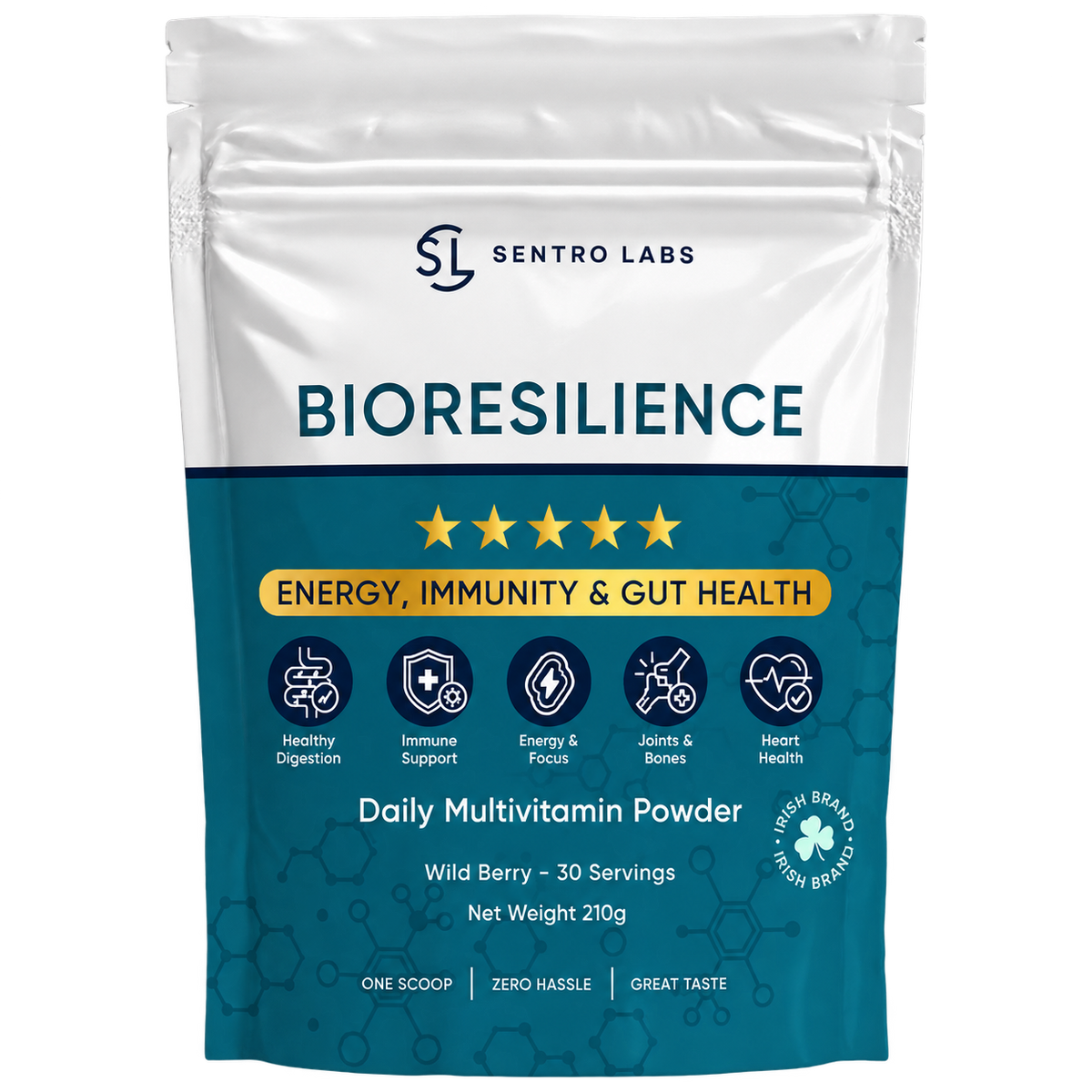
First: give your immune system a proper foundation. This is where BioResilience comes in. I designed it as an all-in-one daily wellness powder that covers the nutritional gaps most of us have heading into autumn — the ones that quietly make us more vulnerable to getting sick.
It contains 24 vitamins and minerals (including Vitamin C, D3, and Zinc — the three most evidence-backed nutrients for immune function), along with probiotics to support your gut, L-Glutamine to help repair and maintain your gut lining, and CoEnzyme Q10 for cellular energy. The reason I included the gut support is that something like 70% of your immune system lives in your gut — so if your gut health is off, your immune resilience tends to be off too. BioResilience addresses both at once, in a single daily scoop you just mix into water.
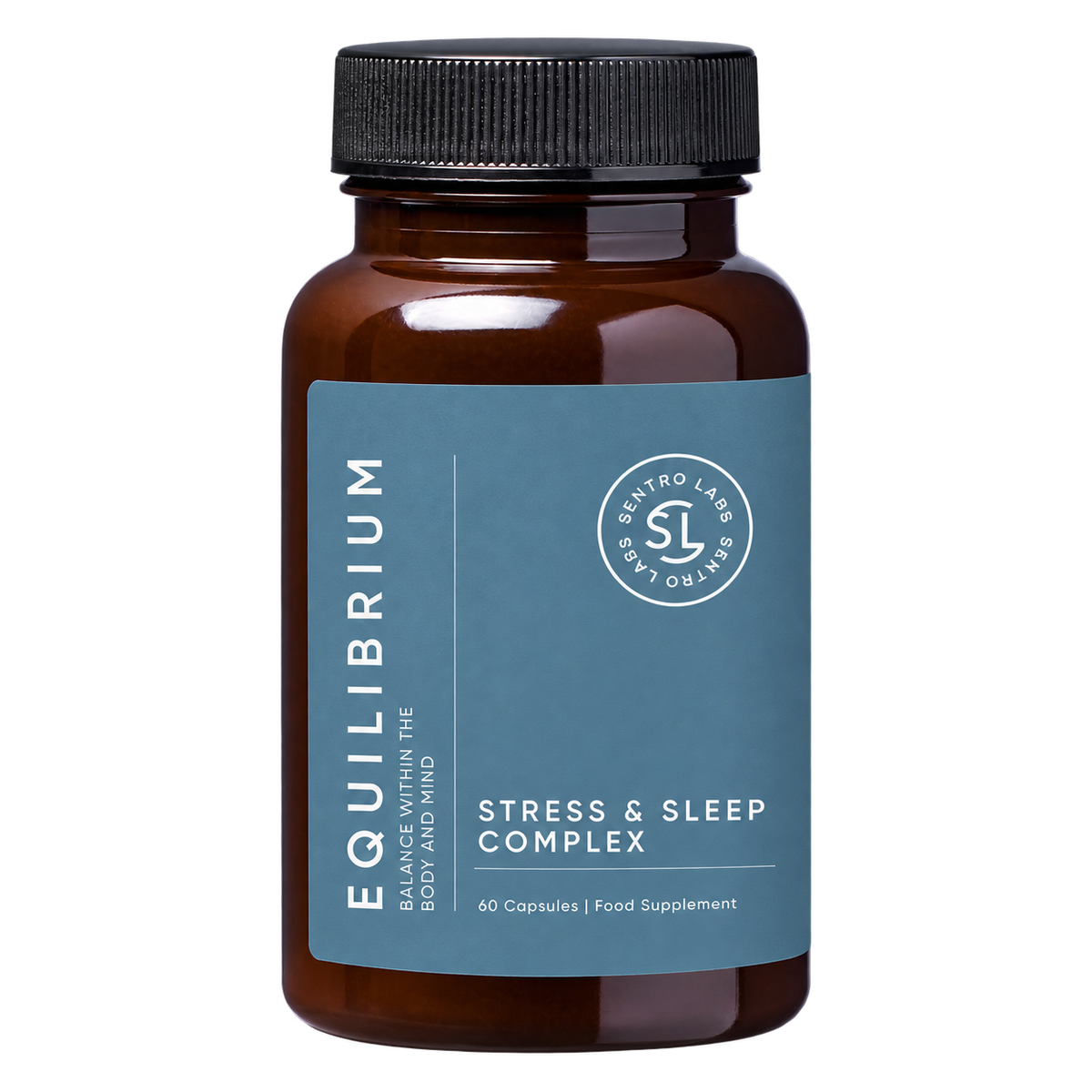
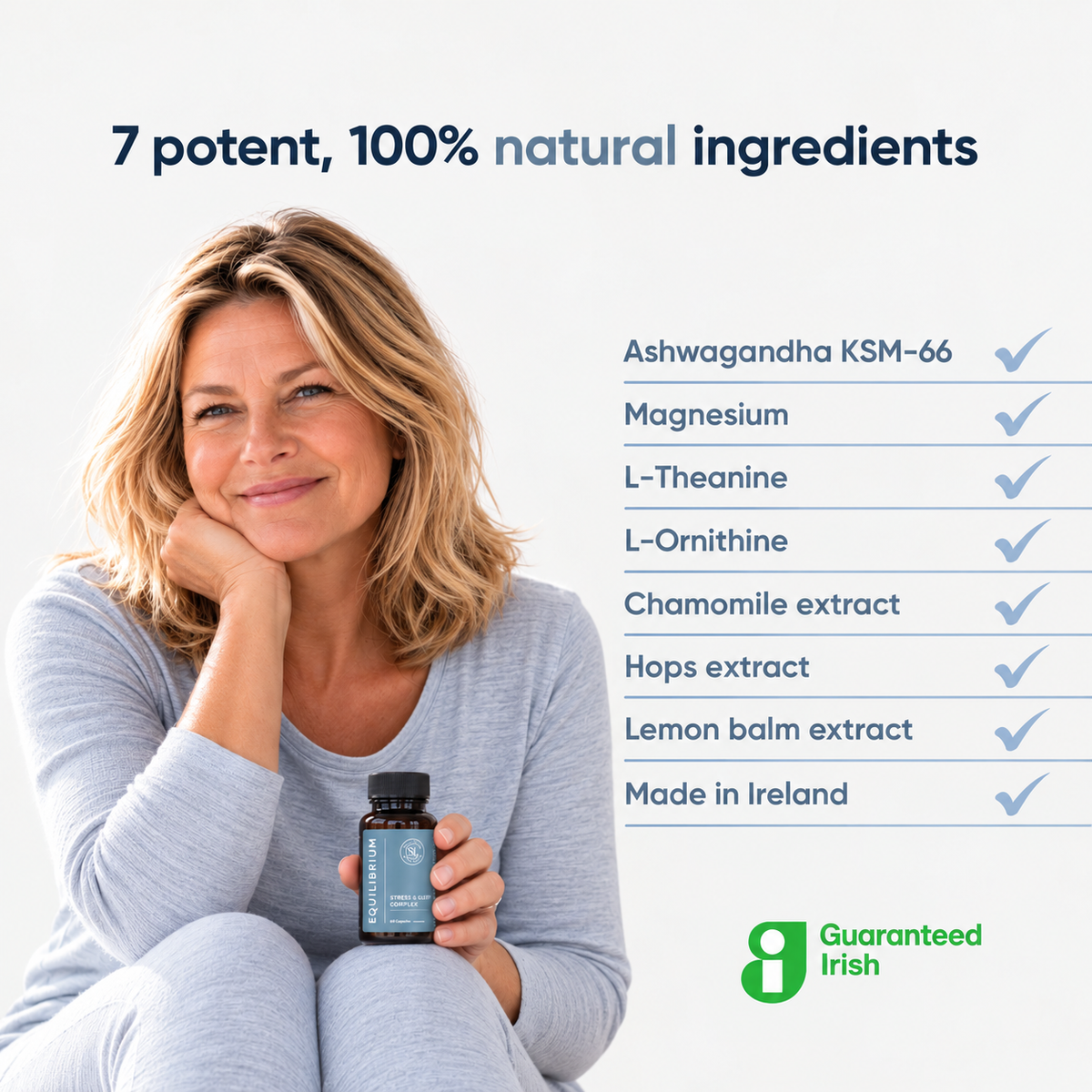
Second: work on the sleep itself. This is where Equilibrium comes in. If stress, a busy mind, or waking in the night is what's keeping you from sleeping properly, the four ingredients in Equilibrium work together to address that:
- Ashwagandha KSM-66 — clinically shown to lower cortisol, which is often the reason people wake at 3am or can't switch off at night. Lower cortisol also means your immune system gets to do its job properly overnight.
- Magnesium Glycinate — one of the most calming minerals there is, and one most Irish adults are quietly low in. It supports relaxation, sleep quality, and immune function all at once.
- L-Theanine — the ingredient I recommend most for people whose heads won't stop at bedtime. It takes the edge off without making you drowsy. I wrote about this specifically here if that sounds like you.
- Active B-Complex — B vitamins support your nervous system and your immune cells. Most of us are getting enough to avoid deficiency, but not enough to thrive — especially under stress.
The combination I'd suggest for autumn: BioResilience every morning as your immune and gut foundation, and Equilibrium in the evening to support sleep and bring cortisol down. They work well together.
What simple habits actually make a difference for sleep and immunity?
Here are the ones I come back to myself — nothing extreme, all genuinely useful:
- Pick a consistent bedtime and stick to it. Even at weekends. Your body's internal clock controls a lot of your immune activity overnight. Disrupting it on Friday and Saturday night affects how you feel all week.
- Make your bedroom cool. Around 16–18°C is ideal. Your body naturally drops its temperature as you fall asleep, and a cool room supports that process. It sounds like a small thing but it genuinely improves sleep depth.
- Put the phone away an hour before bed. The light from screens suppresses melatonin — and melatonin isn't just a sleep hormone, it also plays a direct role in immune regulation overnight. This one is hard, I know. But it's worth it.
- Watch the evening glass of wine. Alcohol is the one that catches people out most. It helps you fall asleep but disrupts the second half of your sleep — the deep, restorative part. You can sleep eight hours and still wake feeling unrefreshed (and more vulnerable to bugs) if alcohol is involved.
- Take your supplements consistently. BioResilience and Equilibrium both work over time, not overnight. Two to four weeks of daily use is where most people start to feel the difference. The mistake I see most often is people stopping too soon.
Frequently Asked Questions
Does lack of sleep really make you more likely to get sick?
Yes, and the research is clear on this. People sleeping five hours or fewer are 4.5 times more likely to catch a cold than those sleeping seven or more hours. Your immune system does critical repair and defence work overnight — cut that short and you're running with a weakened defence.
How much sleep do I need for a healthy immune system?
Most adults need seven to nine hours. Consistently getting less than six is associated with lower immune function, slower recovery from illness, and even a reduced response to vaccines. The seven-hour mark is where most of the research sees the biggest difference.
What vitamins and minerals support immune function?
Vitamin C, Vitamin D3, and Zinc are the most evidence-backed for immune health. Magnesium also plays an important supporting role. BioResilience covers all of these, plus probiotics and L-Glutamine for gut-immune support, in one daily powder.
Is gut health connected to immunity?
Yes — around 70% of your immune system is housed in your gut. When your gut is out of balance — from stress, poor sleep, or diet — your immune resilience tends to suffer too. Probiotics and L-Glutamine (both in BioResilience) help support a healthy gut lining and a more balanced immune response.
Why do I keep getting sick every autumn in Ireland?
It's usually a combination of: less sunlight (so lower Vitamin D), more time indoors with other people, the return to busier work and school routines disrupting sleep, and often a drop in the nutrition habits we had over the summer. Addressing sleep and micronutrients together makes a real difference through the autumn and winter months.
If there's one thing I've learned from building Sentro Labs — and from being a person in my forties who used to pick up every bug going — it's that sleep and nutrition aren't separate conversations. They work together. Sort one, and the other gets easier. Support both, and you stop feeling like you're always just one bad week away from being flattened by a cold.
If you want to start somewhere, BioResilience in the morning and Equilibrium in the evening is the combination I come back to every single autumn.
This article is for informational purposes only and does not constitute medical advice. Please consult your GP if you are experiencing persistent sleep difficulties.










Share:
My Supplement Routine (as a perimenopausal woman in her 40s)
Menopause & Perimenopause: Can KSM-66 Ashwagandha Help?