




Here's something I see come up a lot when men reach out to us at Sentro Labs: they know something has shifted — energy is lower, motivation is harder to find, sleep is worse, body composition is changing — but their GP has told them their testosterone is “normal”. What most GPs are measuring is total testosterone. What's often not getting measured is free testosterone — and that distinction matters enormously for men over 40.
Why does testosterone actually drop after 40?
Testosterone decline after 40 isn't simply about your body producing less of it — it's about a protein called SHBG (sex hormone-binding globulin) increasingly locking it away. SHBG binds to testosterone in the bloodstream, making it unavailable for your body to actually use. The testosterone that is available — free testosterone — is what drives energy, mood, libido, muscle mass, and mental sharpness.
The Massachusetts Male Aging Study found that after age 40, SHBG increases by roughly 1.6% per year, total testosterone drops by about 1.6% per year, but free testosterone drops by 2–3% per year — a significantly steeper decline. European data estimates that between 20% and 39% of men aged 40–79 have clinically low testosterone. In the UK, research suggests as many as one in two men over 40 may be experiencing symptoms without ever receiving a diagnosis.
Ireland's situation mirrors this. Our lifestyle — low sun exposure, high stress, disrupted sleep, processed food — stacks additional pressure on an already declining system. It's not a character flaw or inevitable decline. It's biology responding to its environment, which means it's also something you can work with.
What does low testosterone feel like in men over 40?
Low testosterone rarely announces itself clearly. It tends to look like other things — which is exactly why it goes undiagnosed for so long. The most commonly reported symptoms are persistent fatigue that doesn't improve with rest, reduced motivation and drive, difficulty building or maintaining muscle mass despite regular training, increased body fat (particularly around the abdomen), lower libido, brain fog, and mood changes that can look like low-grade depression.
What's particularly important to understand is that you can have “normal” total testosterone and still experience all of these symptoms if your free testosterone is low and your SHBG is high. The number on the lab report doesn't always reflect what's biologically available to your cells. If the symptoms resonate, it's worth requesting a full hormonal panel — not just total testosterone — from your GP.
What natural ingredients actually have evidence behind them for testosterone support?
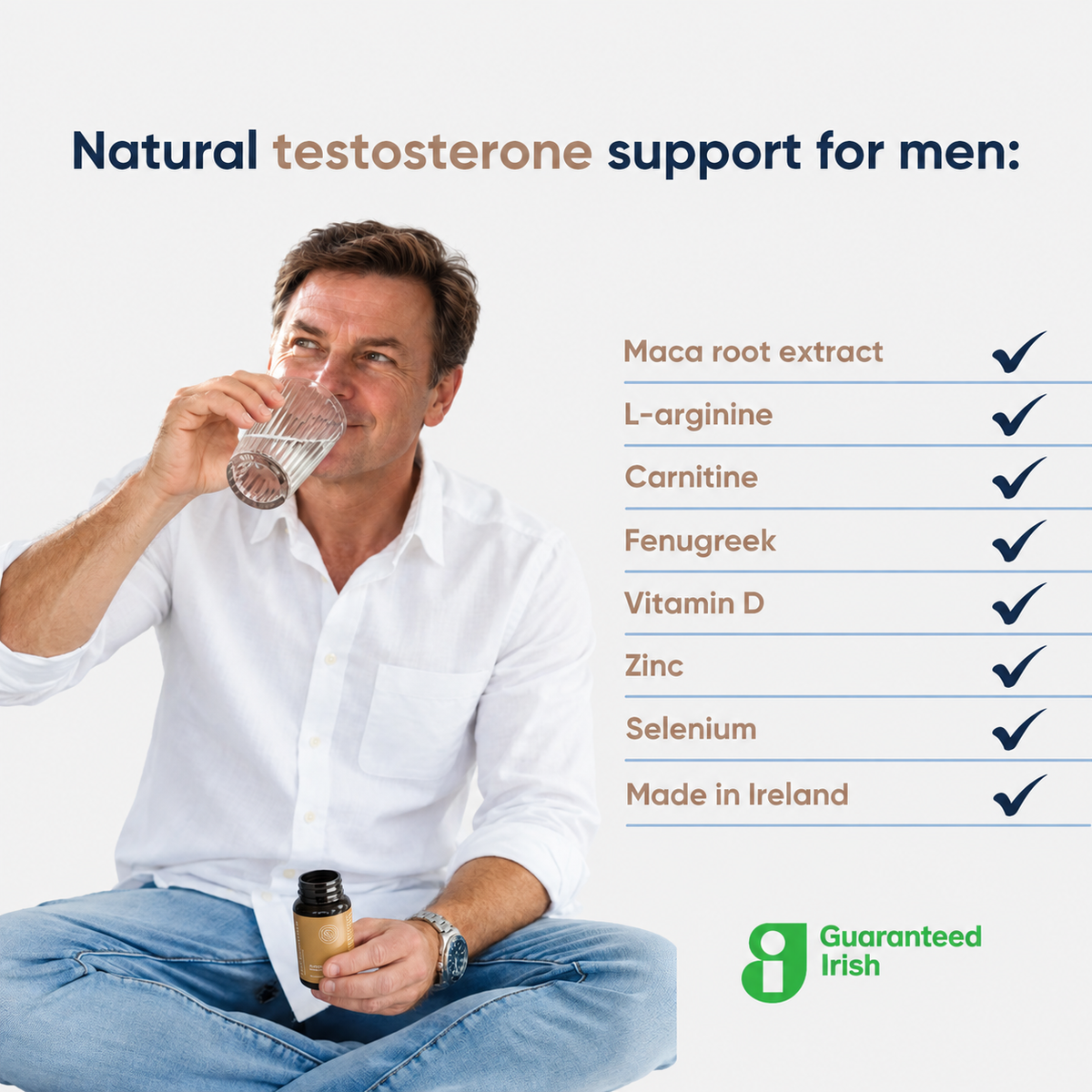
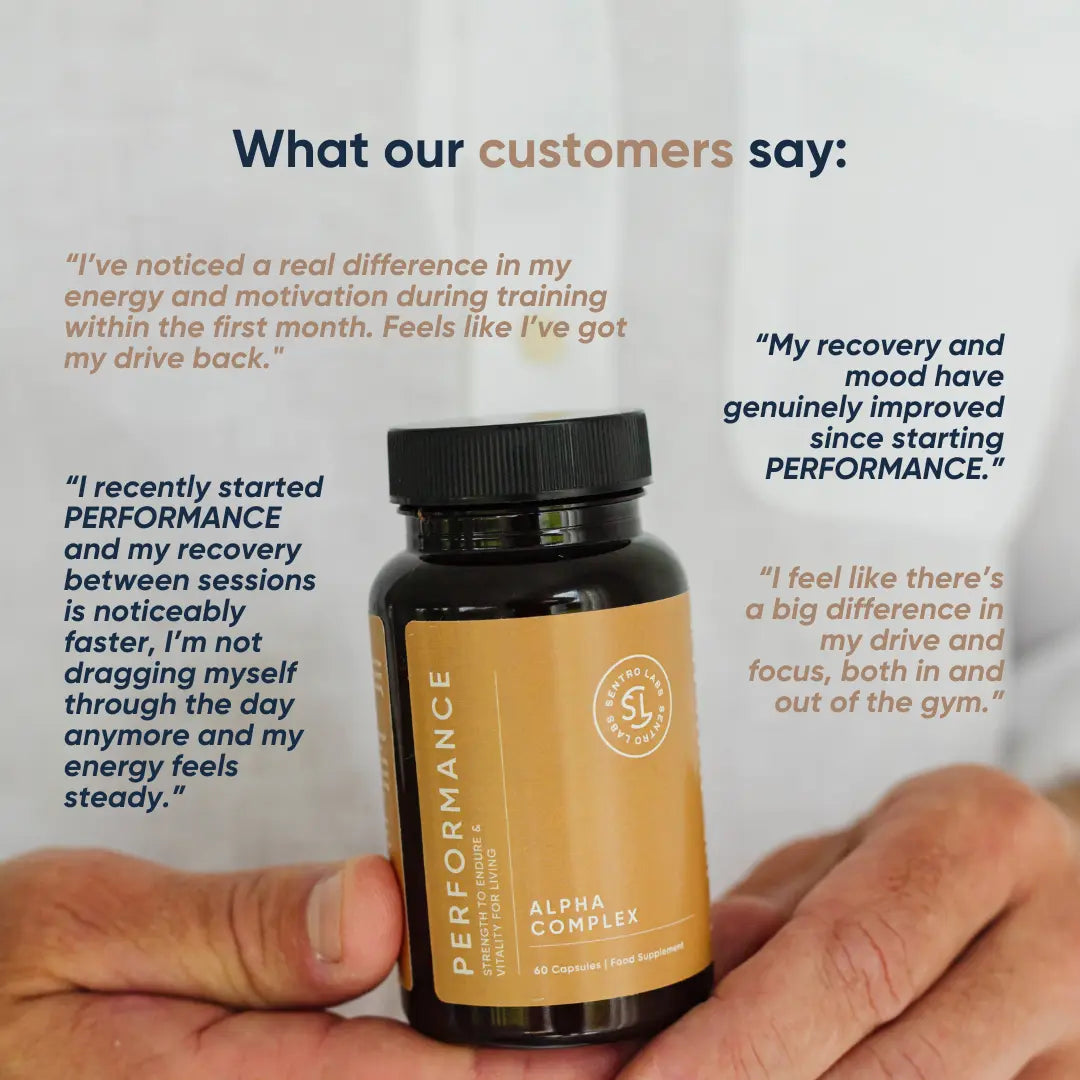
This is where I want to be specific, because the supplement market for men's health is full of overclaiming. Here's what the research actually supports — and it's why these are the ingredients I chose for Performance.
Fenugreek is the ingredient with some of the strongest recent evidence for free testosterone specifically. A 2024 double-blind randomised controlled trial with 95 men aged 40–80 found that fenugreek extract increased both plasma total testosterone and free testosterone index versus both baseline and placebo, with improvements in saliva testosterone concentration also recorded. The mechanism: fenugreek inhibits 5-alpha reductase and aromatase, enzymes that convert testosterone into other hormones, and it appears to reduce SHBG binding — keeping more testosterone freely available.
Zinc is an essential mineral and direct cofactor in testosterone biosynthesis. Without adequate zinc, the enzymatic pathways that produce testosterone simply don't function efficiently. Studies consistently show that men with zinc deficiency have lower testosterone levels, and that zinc supplementation restores levels in deficient men. Many Irish men are quietly low in zinc — it's found primarily in red meat, shellfish, and seeds, foods that don't feature heavily in a typical Irish diet.
Vitamin D functions more like a steroid hormone than a vitamin in the body — the male reproductive tract has been identified as a direct target tissue for vitamin D, with receptors in the testes involved in testosterone production. Ireland's latitude and indoor lifestyle mean vitamin D deficiency is widespread year-round, and deficiency has been associated with lower testosterone levels in multiple studies.
Maca Root is an adaptogenic Peruvian plant with solid evidence for improving energy, libido, and mood in men — though I want to be straight with you: it doesn't directly raise testosterone levels. What it does appear to do is support sexual function and subjective vitality independently of hormonal changes, making it a valuable addition to an overall men's performance formula.
L-Carnitine supports mitochondrial energy production — it's involved in transporting fatty acids into cells to be burned as fuel. For men over 40 whose energy metabolism is naturally slowing, this is meaningful support. L-Arginine is a precursor to nitric oxide, which supports healthy blood flow and circulation — important for both physical performance and sexual health.
Does sleep affect testosterone levels in men?
Yes — and this is the part that ties everything together. The majority of daily testosterone release happens during sleep, particularly during deep slow-wave sleep. Chronic poor sleep quality disrupts this release pattern and elevates cortisol — and here's what's critical: cortisol and testosterone have an inverse relationship. When cortisol goes up, testosterone production goes down. It's a direct physiological trade-off; your body prioritises stress response over reproductive hormones.
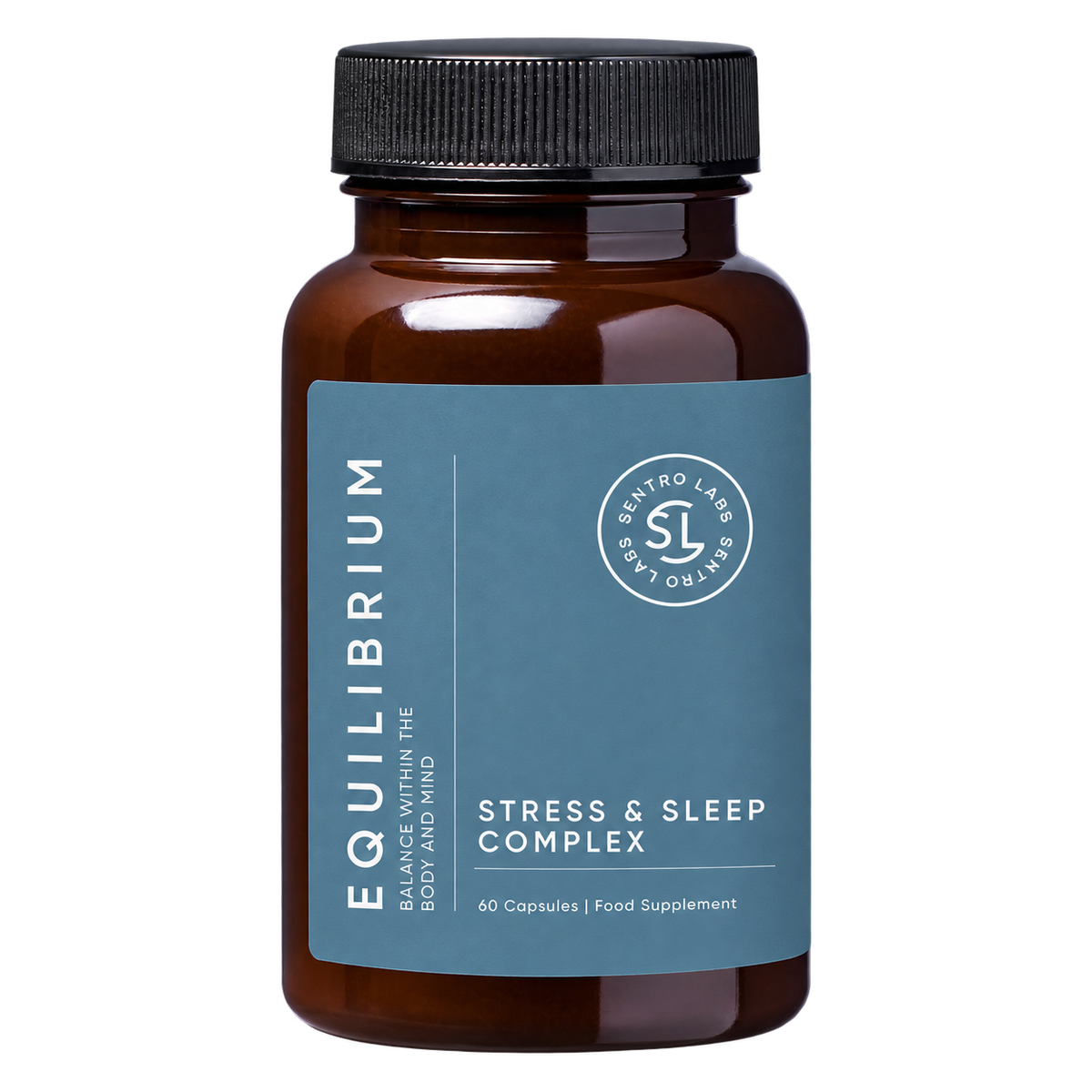
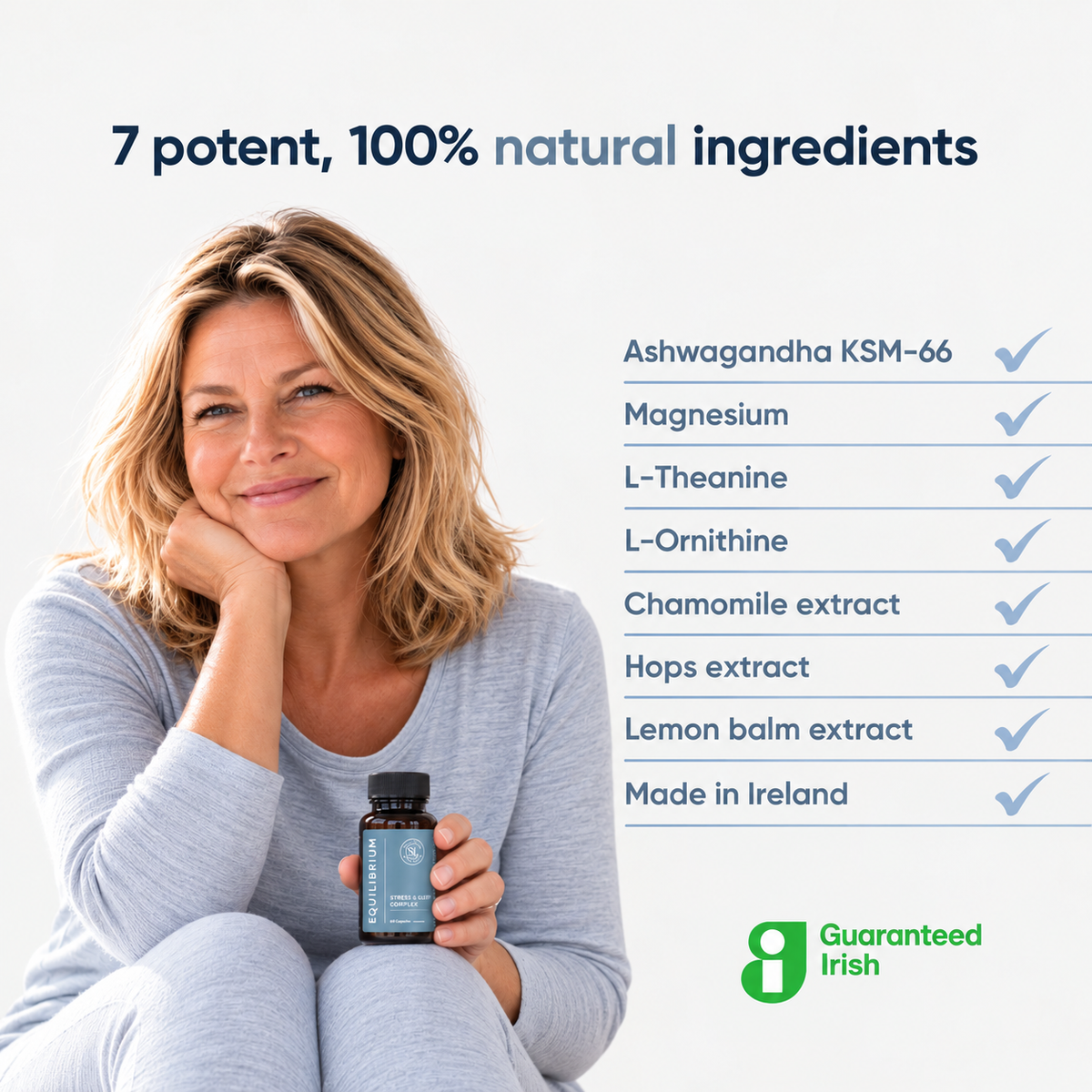
This is exactly why I think Equilibrium — my Stress and Sleep Complex — is the natural partner to Performance for men over 40. Ashwagandha KSM-66 has solid clinical evidence for reducing cortisol, and lower cortisol means less suppression of testosterone. Magnesium Glycinate supports both sleep architecture and is itself a cofactor in testosterone synthesis. L-Theanine helps calm the nervous system at night so sleep is actually restorative. You can support testosterone during the day with the right nutrients, but if cortisol is elevated and sleep is poor, you're fighting an uphill battle.
I wrote more about how cortisol and sleep interact in this piece on the cortisol-sleep connection — worth reading if you recognise the stress-poor sleep-low energy cycle.
What else can men do to support testosterone naturally after 40?
- Lift weights. Resistance training is one of the most well-established natural stimulators of testosterone. Compound movements — squats, deadlifts, presses — produce a stronger hormonal response than isolated exercises. Even two sessions per week makes a measurable difference.
- Reduce chronic cardio. Long, sustained endurance exercise at high intensity can temporarily suppress testosterone and elevate cortisol. If you run or cycle a lot, balance it with strength work.
- Manage stress as a non-negotiable. Elevated cortisol doesn't just feel bad — it biochemically competes with testosterone. Stress management — whether through exercise, breathwork, boundaries, or sleep — is hormonal management.
- Prioritise sleep quality over quantity. Seven to nine hours of genuinely restorative sleep is more valuable than nine hours of disrupted sleep. This is where the right supplementation and wind-down routine earn their keep.
- Watch alcohol intake. Alcohol impairs the liver's ability to clear oestrogen, disrupts sleep architecture, and suppresses testosterone synthesis directly. Even moderate regular intake has measurable hormonal effects in men over 40.
Frequently Asked Questions
At what age does testosterone start to decline in men?
Testosterone peaks in the late teens to early twenties and begins a gradual decline from around age 30. The pace accelerates after 40, with free testosterone (the biologically active form) declining at roughly 2–3% per year due to both reduced production and rising levels of SHBG, which binds and deactivates testosterone in the bloodstream.
What is the difference between total testosterone and free testosterone?
Total testosterone measures all the testosterone in your blood — including the portion bound to proteins like SHBG, which your body cannot use. Free testosterone is the unbound portion that is actually available to your cells. After 40, SHBG tends to rise, so free testosterone can be significantly lower even when total testosterone appears normal on standard blood tests.
Does fenugreek actually increase testosterone?
Fenugreek has genuine clinical support for supporting free testosterone levels specifically. A 2024 double-blind RCT with 95 men aged 40–80 found significant improvements in total and free testosterone versus placebo over 12 weeks. The mechanism appears to involve reducing the enzymes and proteins that convert or bind testosterone, keeping more of it biologically available.
Can low vitamin D cause low testosterone?
The male reproductive system has direct receptors for vitamin D, and deficiency has been associated with lower testosterone in multiple studies. Ireland's low sunlight levels make vitamin D deficiency extremely common — most Irish adults need to supplement year-round, particularly from October to April. It is one of the most straightforward and well-tolerated things men can do to support overall hormonal health.
How long does it take for testosterone support supplements to work?
Most studies on ingredients like fenugreek, zinc, and vitamin D show measurable effects within 8–12 weeks of consistent daily use. Supplements are not a quick fix — they work by correcting deficiencies and supporting underlying biological processes that take time to respond. Pairing supplementation with sleep improvement and stress management tends to accelerate results noticeably.
If you've been feeling like a lower-energy version of yourself and assuming it's just ageing — this is me telling you that it doesn't have to be. The biology is real, but so is the ability to support it. Getting your sleep right, managing your cortisol, and giving your body the raw materials it needs can make a genuine difference to how you feel day to day.
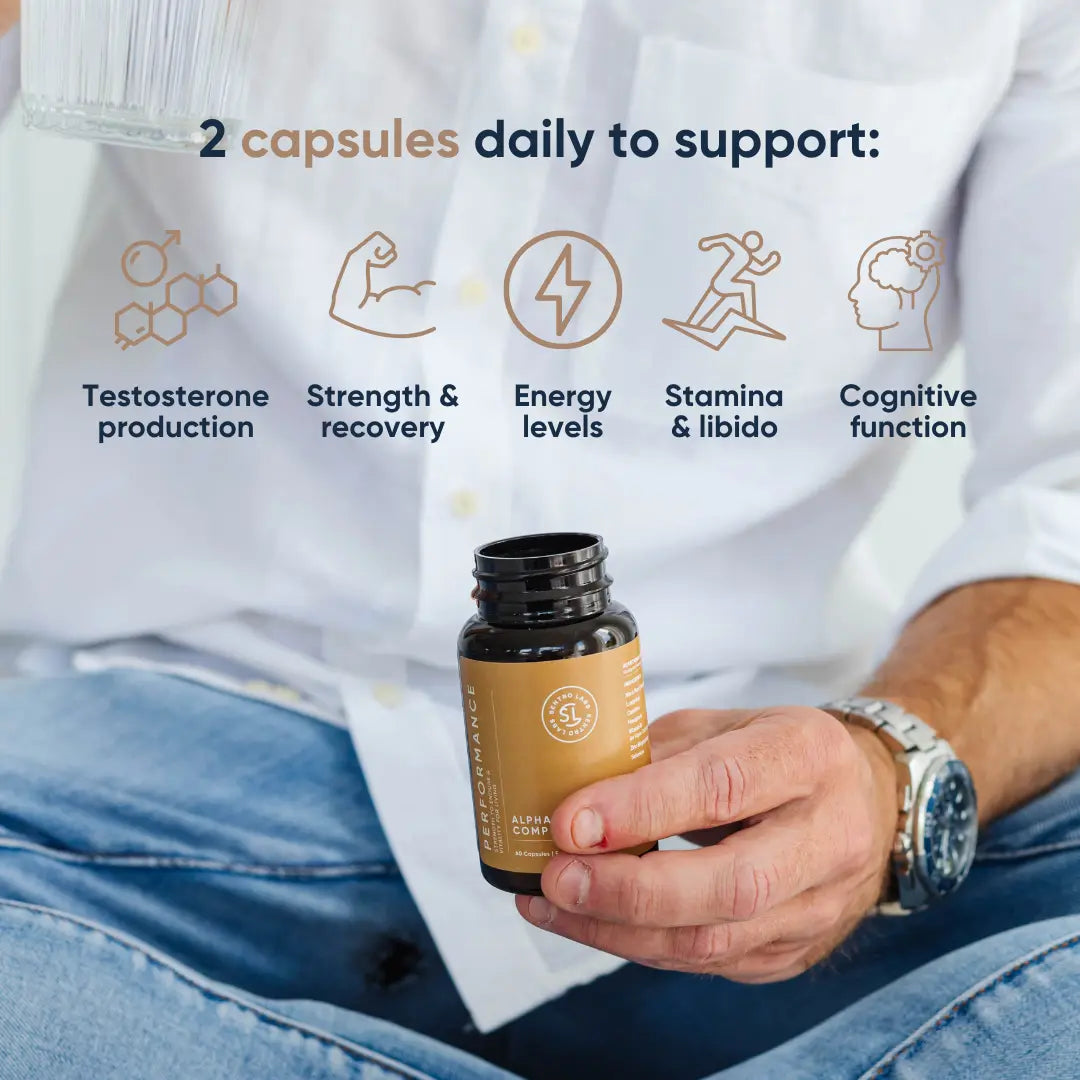
Performance was built for exactly this — a daily formula covering the nutrients most men over 40 are missing. And if sleep and stress are part of the picture (they usually are), Equilibrium is the piece that makes everything else work better.
This article is for informational purposes only and does not constitute medical advice. Please consult your GP if you are experiencing symptoms of hormonal imbalance or testosterone deficiency.
Explore our men’s performance range:
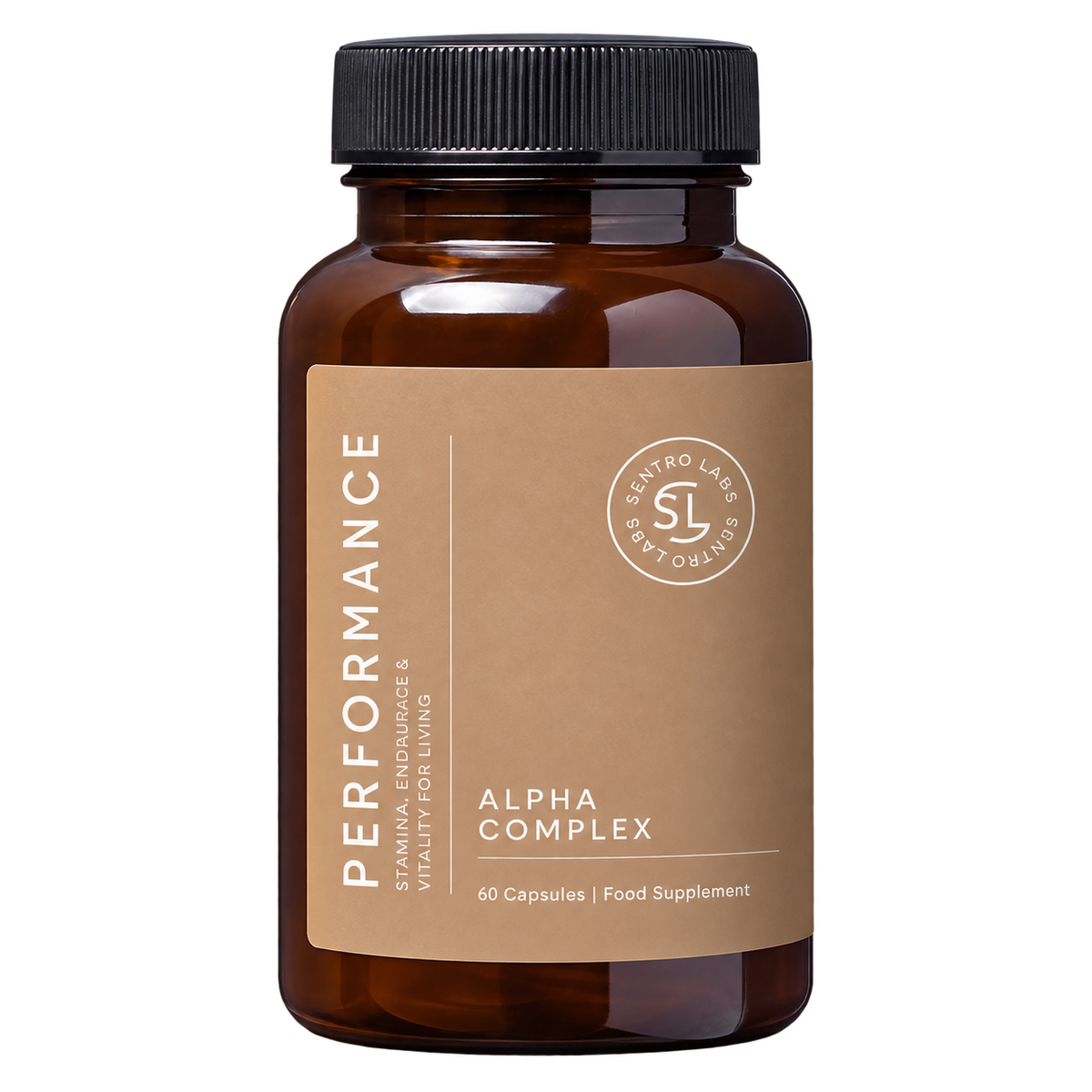
- Performance — Testosterone Support (Maca Root, Fenugreek, Zinc, Vitamin D, L-Carnitine, L-Arginine)
- Equilibrium — Stress & Sleep Complex (Ashwagandha KSM-66, Magnesium Glycinate, L-Theanine, Active B-Complex)








Share:
Quick and Easy High-Protein Lunch for Women in Meno & Perimenopause
Experience a Day in the Life of Elaine, founder of Sentro Labs