




Ever wondered why you feel alert in the morning and sleepy at night? Or why you toss and turn when you're stressed?
The answer lies in a hormone you might not have heard of: cortisol. Whether you're struggling with poor sleep, curious about the science behind sleep, or simply looking to improve your sleep quality, this blog is for you. We’ll unpack the link between cortisol and sleep, so you can enjoy better rest.
The Role of Cortisol in the Body
Cortisol, often dubbed as the "stress hormone", plays a pivotal role in our body's physiological functions. It's not just about managing stress, but it's also about maintaining a delicate balance in our body's various systems. From regulating metabolism to controlling blood pressure, cortisol is a key player in our overall health and wellbeing.
It's responsible for regulating our metabolism and maintaining our blood sugar levels. A balanced cortisol level also aids in controlling our blood pressure. This hormonal control is fundamental in promoting heart health.
Cortisol is key in reducing inflammation in our body. By suppressing immune system responses that lead to inflammation, it ensures that body functions are carried out without hindrance. It also helps us respond effectively to illnesses and potential health threats and regulates our energy levels, making sure we have enough fuel to face the day's challenges.
How Does Cortisol Affect Sleep?
Cortisol plays an integral role in our sleep patterns and overall wellness. Aptly known as the stress hormone, it's crucial for stirring our alertness, particularly as we start our day. However, like many things in life, balance is key. Too much cortisol, especially at inappropriate times, can lead to sleep disturbances.
Consider the cortisol and sleep dynamic as a dance. In the mornings, higher cortisol levels help us wake up and prepare for the day ahead. This hormone helps to stimulate our senses and sharpens our focus and energy to tackle the day's activities. However, by the evening, one would expect cortisol levels to diminish to give way to our body's internal sleep drive.
When this cortisol rhythm is disturbed, it often brings about sleep-related issues. Elevated cortisol levels in the evening might result in difficulty falling asleep, otherwise known as insomnia. It can even cause sleep fragmentation, which means, while you might fall asleep, you find yourself waking up at odd hours of the night.
Cortisol Levels and Trouble Falling Asleep
In healthy amounts, cortisol garners wakefulness and alertness - crucial for starting our day. In this context, it could be suggested that having lower-than-normal cortisol levels in the morning might make it increasingly challenging to wake up, leading to feelings of grogginess and exhaustion, hallmarks of certain sleep problems.
Cortisol plays an important role in managing our body's clock, or circadian rhythm. Low cortisol levels could potentially disrupt this rhythm, skewing our sleep-wake cycle and leading to poor sleep quality.
Why is Cortisol High at Night?
Prolonged light exposure or sudden stress can elevate cortisol levels at night. This increase imitates our body's natural 'fight or flight' response, disrupting our sleep patterns.
Working in shifts that require you to be active when you should be sleeping can also produce a higher nighttime cortisol level. This irregular sleep-wake cycle alters our body's hormone regulation.
Chronic stress, both mental and physical, is a primary contributor. Prolonged periods of high stress can increase cortisol production, leading to sleep disturbances and other health problems.
The quality of your sleep can also influence your cortisol production. Insufficient or poor-quality sleep can raise cortisol levels, causing you to feel more awake and alert at night, further aggravating your sleep problems.
Finally, adopting inconsistent sleep schedules, such as those practised by shift workers, can interfere with your body's normal cortisol rhythm, leading to high cortisol at night. Maintaining a regular sleep pattern is vital for healthy cortisol regulation.
How to Manage Cortisol Levels for Better Sleep
Understanding how to manage cortisol levels for better sleep can be a game-changer for those struggling with sleep issues. It's not just about reducing cortisol, but maintaining a healthy balance of this crucial hormone. Too much or too little can disrupt your sleep patterns and overall well-being.
Lifestyle Changes to Regulate Cortisol Levels
- Ensure Proper Sleep: The connection between cortisol and sleep is undeniable. Strive to get enough sleep every night to keep your cortisol levels in check.
- Follow a Regular Exercise Regime: Light to moderate exercise, such as Yoga or Tai Chi, can help avoid spikes in cortisol levels and facilitate sound sleep.
- Cultivate Mindful Awareness: Mindfulness-based stress reduction activities can help you manage stress triggers, lower cortisol levels, and improve sleep.
- Reframe Negative Thoughts: The next time you find yourself drowning in self-criticism or negative thinking, make it a point to shift your thoughts towards positivity. Reducing mental stress is essential to lower cortisol levels.
- Follow a Balanced Diet: Maintaining a nutritious diet can help keep your cortisol levels steady. Include plenty of fresh fruits, vegetables, and dark chocolate, which can help in reducing cortisol.
The Best Natural Sleep Aid Ingredients
The most effective natural sleep aids support both mental relaxation and physical recovery.
Some of the most commonly used ingredients include:
Ashwagandha
Ashwagandha is an adaptogenic herb that helps the body regulate stress and support healthy cortisol levels.
L-Theanine
L-theanine promotes calm focus and relaxation without sedation.
Chamomile
Chamomile has long been used as a calming herb that supports relaxation and sleep readiness.
Lemon Balm
Lemon balm may help reduce stress and promote relaxation before bedtime.
Magnesium Bisglycinate
Magnesium supports nervous system balance and muscle relaxation.
These ingredients are often combined in formulas designed to support calmness and relaxation before sleep.
Looking for a Natural Sleep Supplement?
If stress and a busy mind make it difficult to unwind before bed, a formula that combines magnesium with calming nutrients may help.
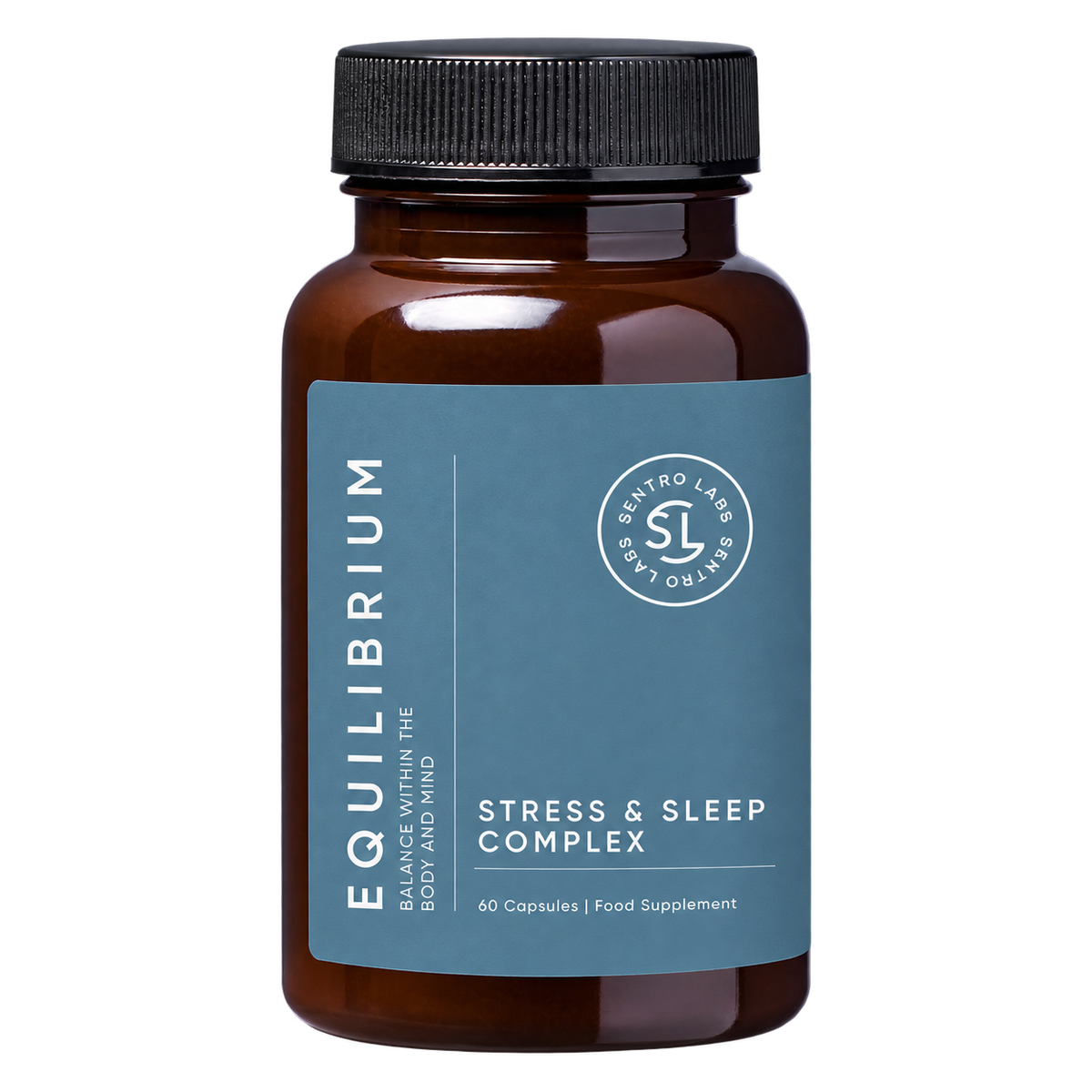
EQUILIBRIUM sleep and stress complex combines magnesium bisglycinate, ashwagandha, L-theanine, and calming botanicals designed to support relaxation before sleep.
The Interplay Between Cortisol and Sleep
In conclusion, the interplay between cortisol and sleep is a delicate balance that can significantly impact our overall health. Elevated cortisol levels, often a result of chronic stress, can disrupt our sleep patterns and lead to a host of sleep disorders. Conversely, poor sleep can also lead to an increase in cortisol production, creating a vicious cycle.
However, it's important to remember that cortisol isn't the enemy. When regulated properly, it plays a crucial role in our sleep-wake cycle, helping us wake up in the morning and fall asleep at night. By understanding how cortisol and sleep interact, we can take steps to manage our cortisol levels, improve our sleep quality, and ultimately, enhance our overall well-being.
Remember, it's not about eliminating cortisol, but about keeping it in check. Ready for better sleep and less stress? With Equilibrium's unique blend of natural ingredients like Ashwagandha and L-Theanine, you can balance your cortisol levels, calm your mind, and enjoy restful nights.
Related Sleep Articles
For more insights into sleep and relaxation, explore these guides:
Related reading



















Share:
My Favourite Quick Leg Day: As a Busy Mum of 2 in Perimenopause!
Stress, Sleep and Ashwagandha: Why We Built Equilibrium