




I've been pretty open about my perimenopause journey since starting Sentro Labs. But there are things I've learned along the way that I genuinely wish someone had said to me earlier — not the clinical textbook version, but the real, lived version.
So here it is. Four things I wish I'd known.
1. It can start much earlier than you think
Most women assume perimenopause is a fifties thing. It isn't. For many women it begins in the late thirties. I was 39. The symptoms — fatigue, brain fog, mood shifts, sleep disruption, changes to your cycle — can be subtle at first. Easy to attribute to stress, a busy life, or just not sleeping well enough.
If you're in your late thirties and something feels consistently off, it's worth looking into. This post on perimenopause symptoms is a good starting point.
2. Brain fog is real, and it's physiological
This one took me a while to accept. I'm someone who has always been sharp, organised, on top of things. When I started forgetting words mid-sentence or losing my train of thought, I was genuinely frightened. I thought something was seriously wrong.
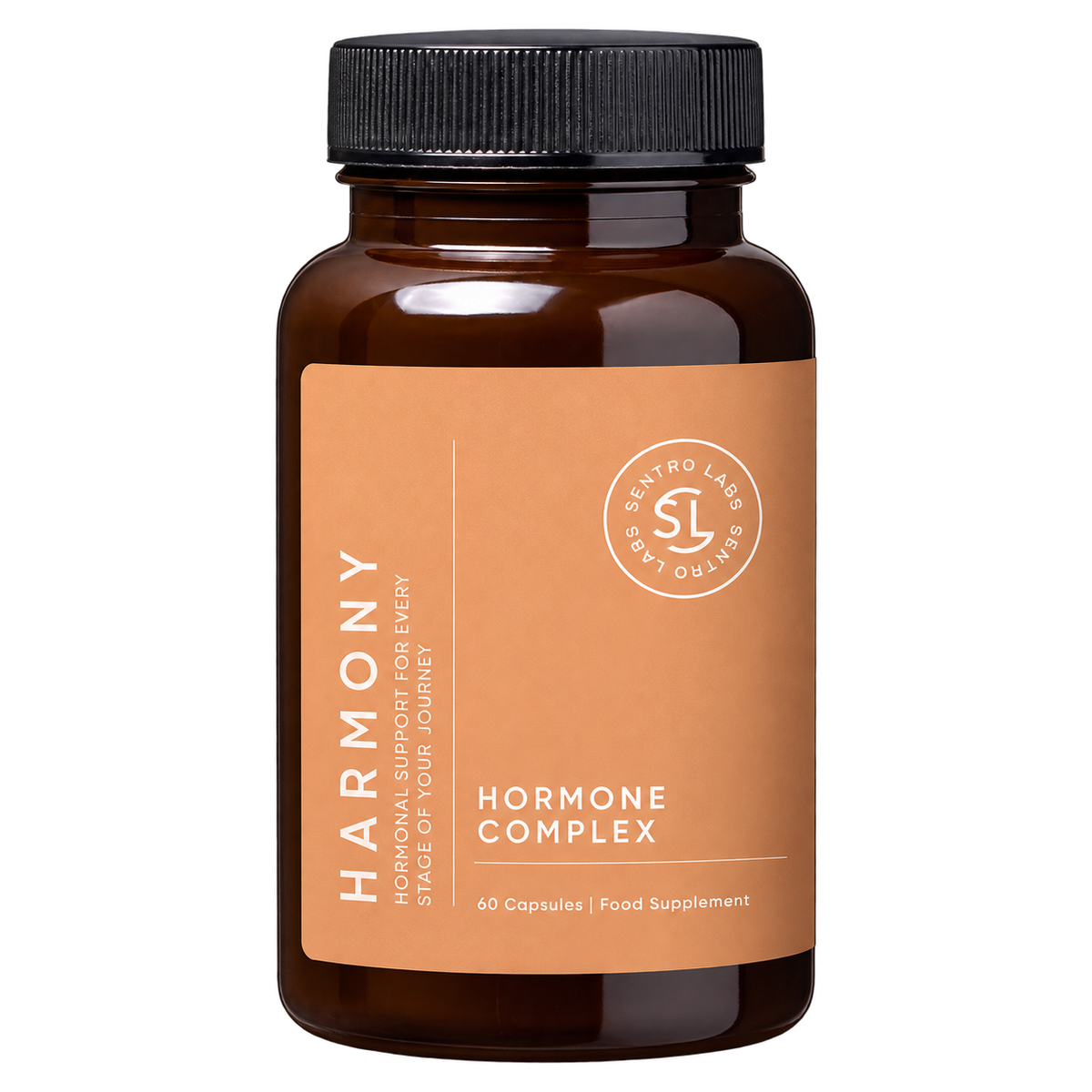
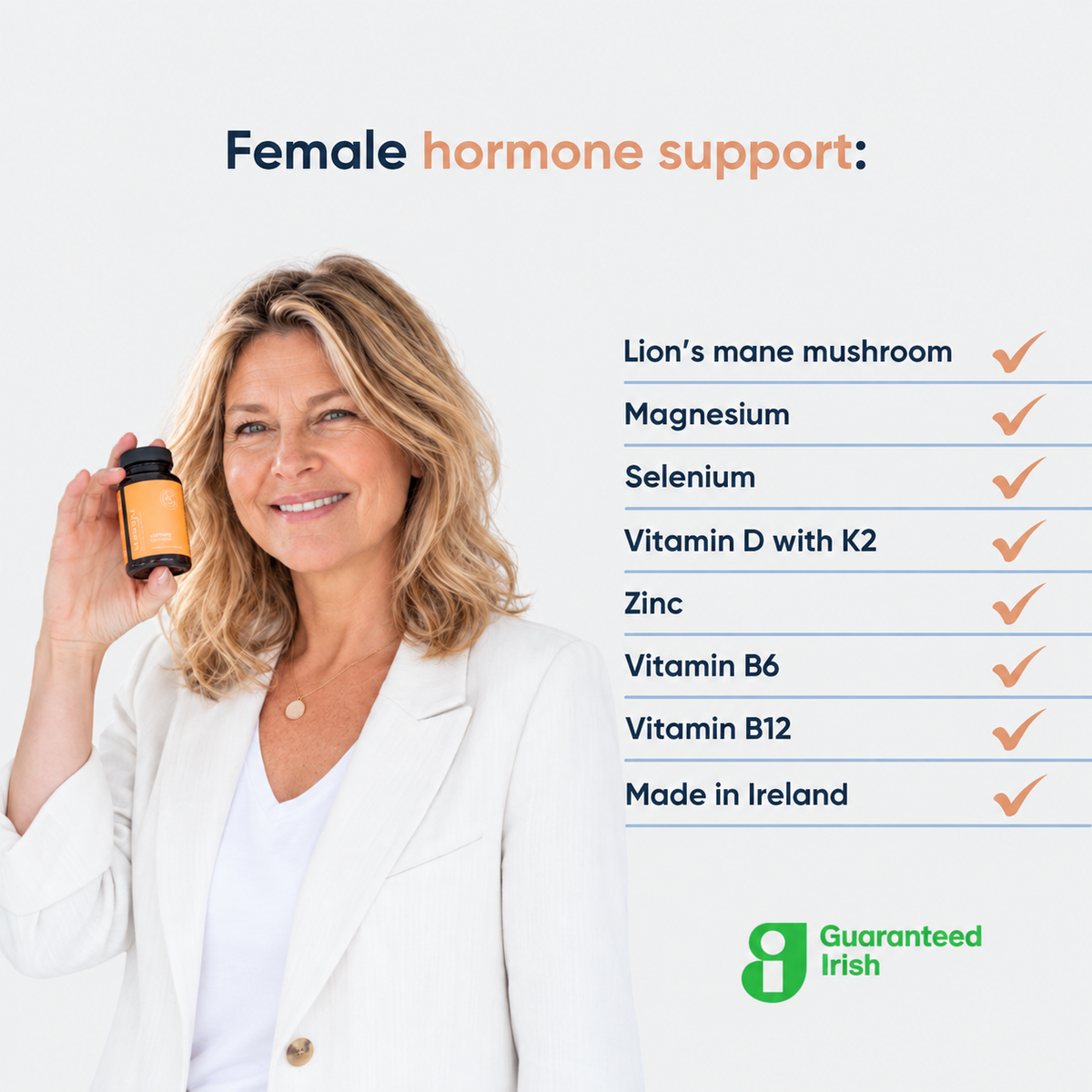
It wasn't — or rather, it was hormonal, and there were things I could do about it. Declining oestrogen affects cognitive function. Supplementing with Lion's Mane (a key ingredient in Harmony), getting proper sleep, reducing processed sugar, and consistently strength training all made a measurable difference for me within a few weeks.
3. Sleep is not optional — it's the foundation
I used to treat sleep as the thing I'd catch up on eventually. That stopped working entirely in perimenopause. Poor sleep made every other symptom worse — the fatigue, the brain fog, the mood instability, even my appetite and food choices.
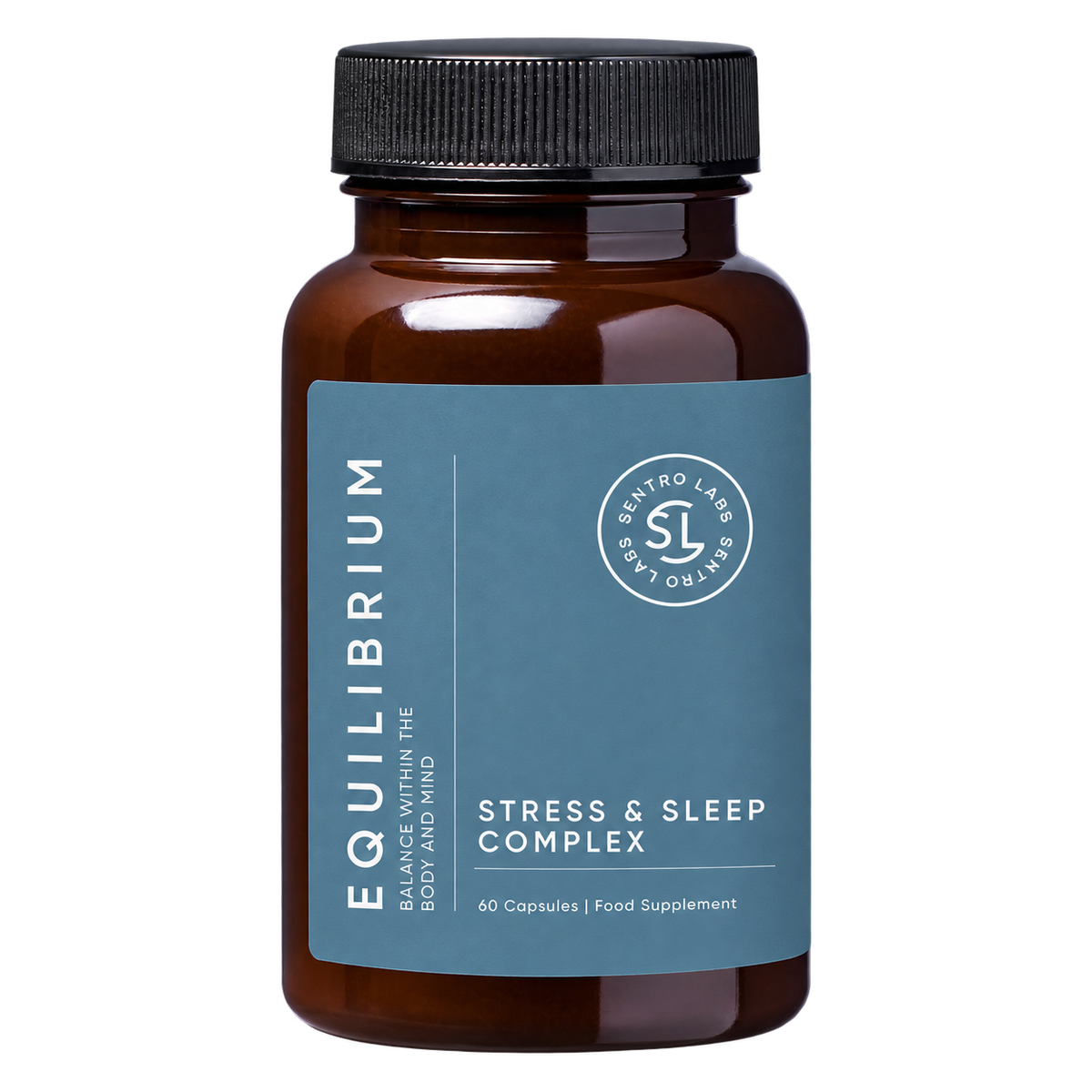
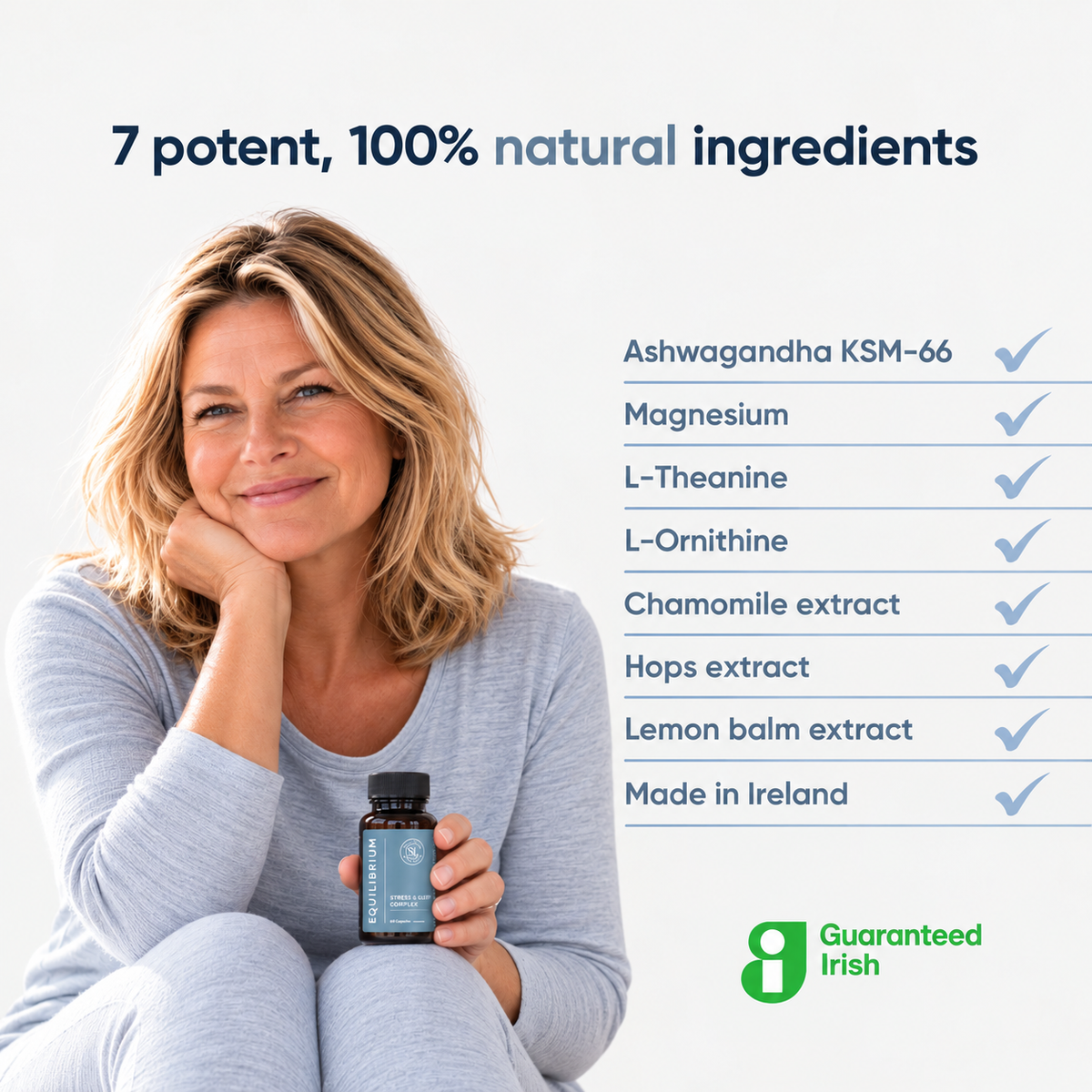
Getting serious about sleep hygiene and adding Equilibrium — our sleep and stress support complex — into my evening routine was genuinely transformative. If you're struggling with sleep and you're in this stage of life, I wrote more about the hormonal connection here.
4. You cannot out-exercise or out-supplement a nutritional deficit
This sounds obvious in retrospect, but I spent a long time working out consistently and wondering why I still felt terrible. The issue wasn't the exercise — it was that my nutrition wasn't supporting my hormones. I wasn't getting enough protein. I was low in magnesium, vitamin D, and B vitamins. My body didn't have what it needed.
Once I sorted the nutritional foundation — through both food and targeted supplementation — everything else started to work better. This post on nutrition for hormonal balance goes into more detail on what that actually looks like day-to-day.
I'm not a medical professional and I'm not claiming to have all the answers. What I am is a woman who went through this, researched obsessively, experimented carefully, and built a brand out of what worked. If even one of these points saves you the months of confusion I went through, this was worth writing.
Elaine x
Other blog posts you might be interested in:
What Is Perimenopause? | Nutrition for Hormone Balance | How Magnesium Supports Women's Health








Share:
Elaine's Food Diary: Healthy Meal Ideas for Women in Meno or Perimenopause
How to Stop Racing Thoughts at Night: What the Science Says