




I used to be a great sleeper. Then, somewhere around 42, that changed overnight — literally. I'd fall asleep fine, then wake at 2am, hot, heart racing, mind running through my to-do list for the next week. I'd lie there for an hour, sometimes two, willing myself back to sleep. Sound familiar?
If you're in perimenopause and struggling with your sleep, you're not alone — and you're not imagining it. Research shows that over 80% of midlife women experience symptoms of perimenopause, and sleep disturbance is consistently one of the most reported. Perimenopausal women are 1.3 to 1.6 times more likely to have a sleep disorder than women in their premenopausal years. This is something I see a lot, and it's something I went through myself — which is a big part of why I started Sentro Labs.
Why does perimenopause cause sleep problems?
Perimenopause disrupts sleep because of falling levels of two key hormones: oestrogen and progesterone — and both play a direct role in how well you rest.
As oestrogen declines, your brain's thermoregulatory zone — the narrow band of temperature your body tries to maintain — becomes less stable. This is why hot flashes happen: your brain interprets a minor temperature shift as overheating and triggers a heat-release response. At night, this shows up as night sweats that jolt you out of deep sleep, sometimes multiple times.
Progesterone is the less talked-about piece of the puzzle. It has a natural calming effect on the brain, acting similarly to GABA — the neurotransmitter that promotes relaxation and sleep onset. As progesterone drops during perimenopause, many women find they feel more anxious at night, more wired, and less able to switch off. This isn't stress in the traditional sense — it's your brain chemistry genuinely shifting.
Recent research has also identified a group of neurons called KNDy neurons that connect your reproductive hormone system with your sleep-wake cycle. As oestrogen falls, these neurons become dysregulated — which is why sleep disruption in perimenopause isn't just about night sweats. It can affect your entire sleep architecture, even on nights you feel perfectly comfortable.
Why do I keep waking up in the middle of the night during perimenopause?
Middle-of-the-night waking — particularly between 2am and 4am — is one of the most common things perimenopausal women tell me about, and it's driven by more than just temperature.
When progesterone falls, your body's cortisol regulation becomes less precise. Cortisol naturally rises in the early morning to prepare you for the day, but in perimenopause, this spike can happen earlier than it should — pulling you out of deeper sleep stages while it's still dark outside. You wake up, mind immediately active, no obvious reason. That's not anxiety. That's cortisol.
The knock-on effect matters too. Poor sleep raises cortisol the following day, which in turn affects mood, energy, brain fog, and appetite. And elevated cortisol makes it harder to fall and stay asleep the next night. Here's what I've learned: you can't just address sleep in isolation — you have to address what's driving the wakefulness, which for perimenopausal women is often the stress hormone system running out of sync.
What supplements can actually help with perimenopause and sleep?
This is something I researched extensively before building the Sentro Labs range — and here's what the evidence actually supports.
Magnesium Bisglycinate is the form of magnesium with the strongest evidence for both sleep quality and anxiety relief. The glycinate form is highly bioavailable and works by activating GABA receptors in the brain, promoting calm and sleep onset. For women in perimenopause, where declining progesterone has already reduced that natural GABA-like calming effect, magnesium bisglycinate helps fill the gap. Research points to 300–400mg taken 60–90 minutes before bed as the most effective protocol. Our Magnesium Bisglycinate was formulated specifically with this in mind.
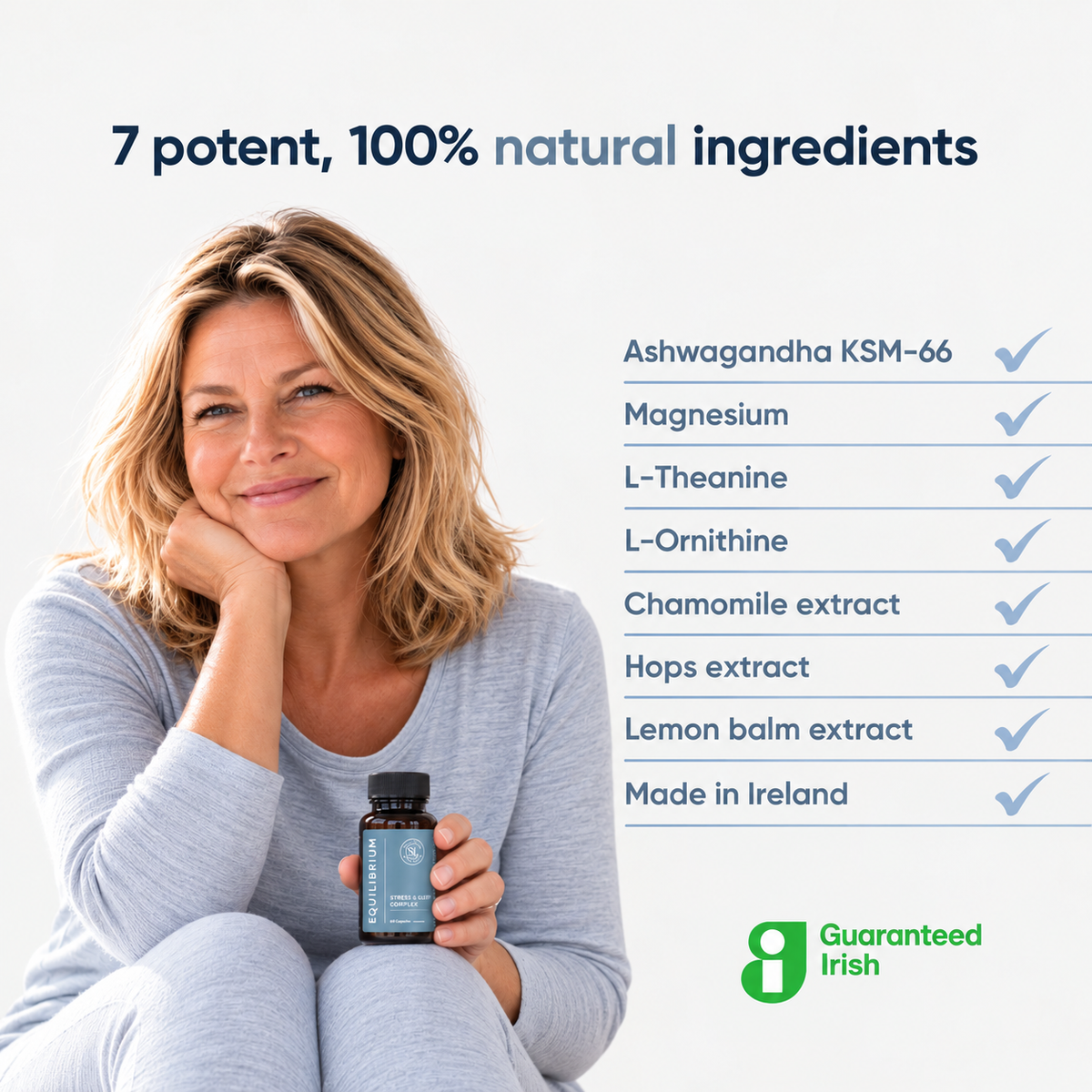
Ashwagandha KSM-66 is a clinically studied adaptogen with strong evidence for reducing cortisol and improving sleep quality. A 2025 randomised trial found that participants taking ashwagandha root extract experienced significantly better sleep quality, fewer night-time awakenings, and higher melatonin levels compared to placebo — with results typically seen after 6–8 weeks of consistent use. Alongside it, L-Theanine — an amino acid found in green tea — has been shown in a 2023 review to support sleep onset, duration, and quality, particularly in people whose sleep is disrupted by an overactive mind.
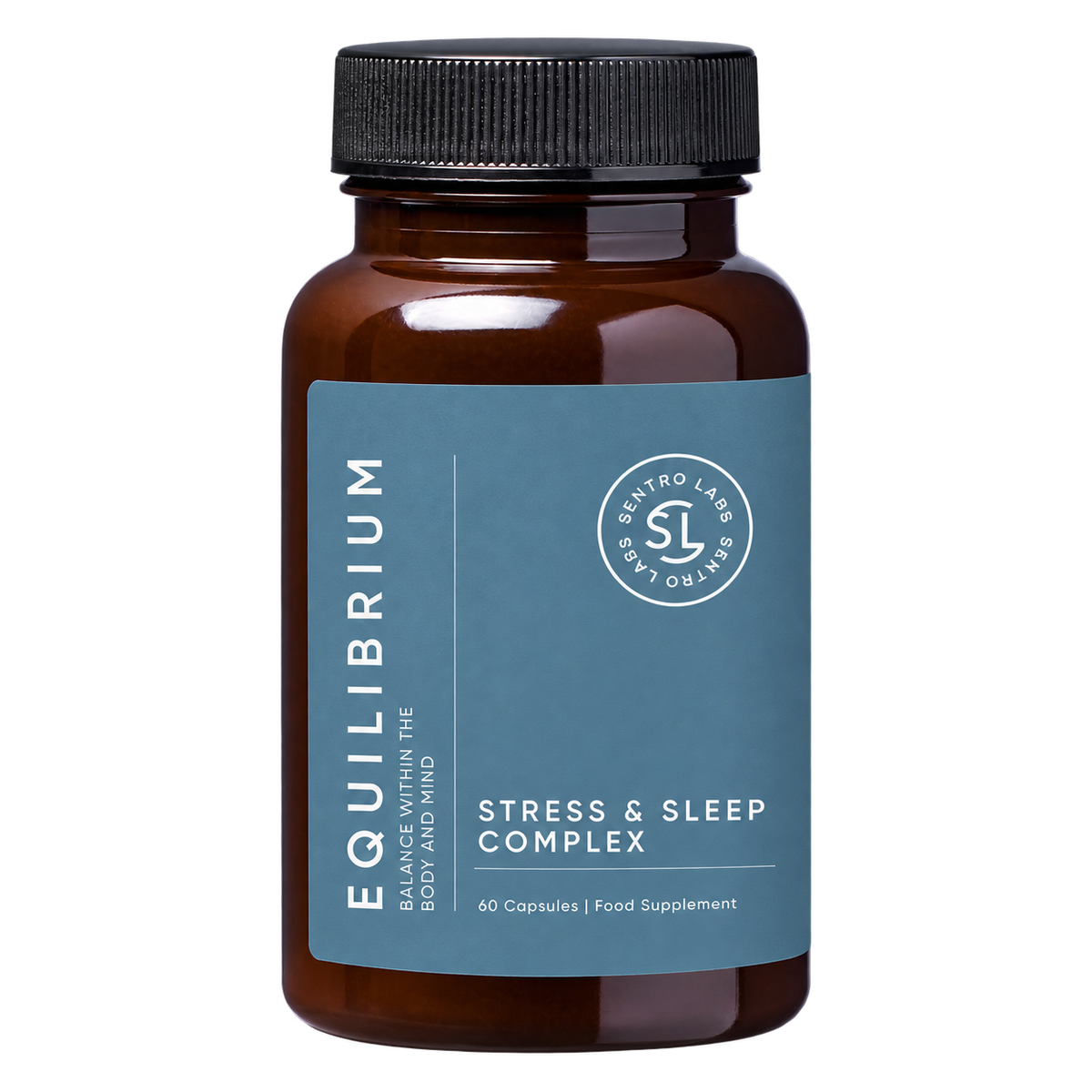
In Equilibrium, our Stress & Sleep Complex, I combined Ashwagandha KSM-66, Magnesium Glycinate, L-Theanine, and an Active B-Complex. It's the formulation I take myself — specifically because it targets both the cortisol dysregulation and the nervous-system-calming side of perimenopausal sleep disruption.
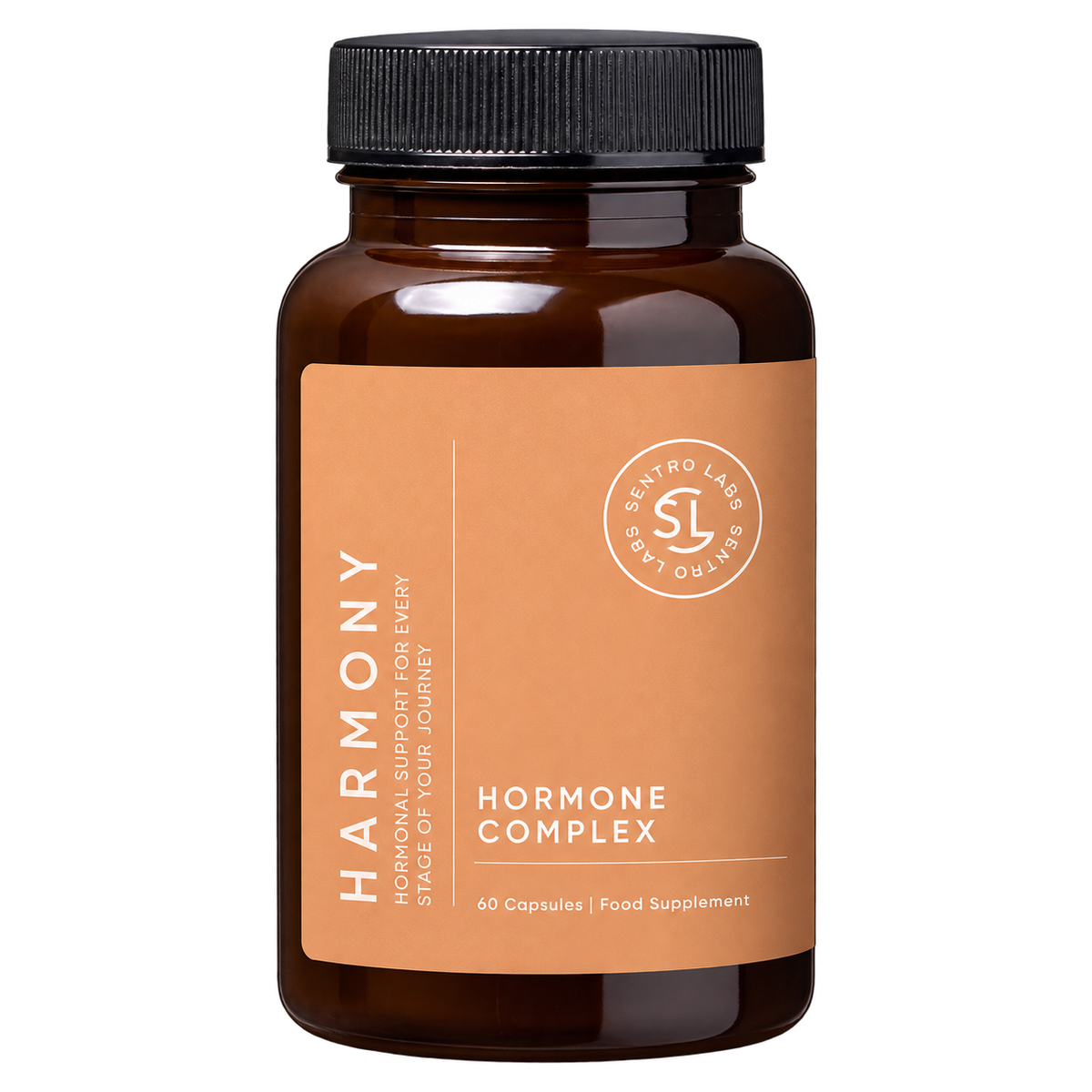
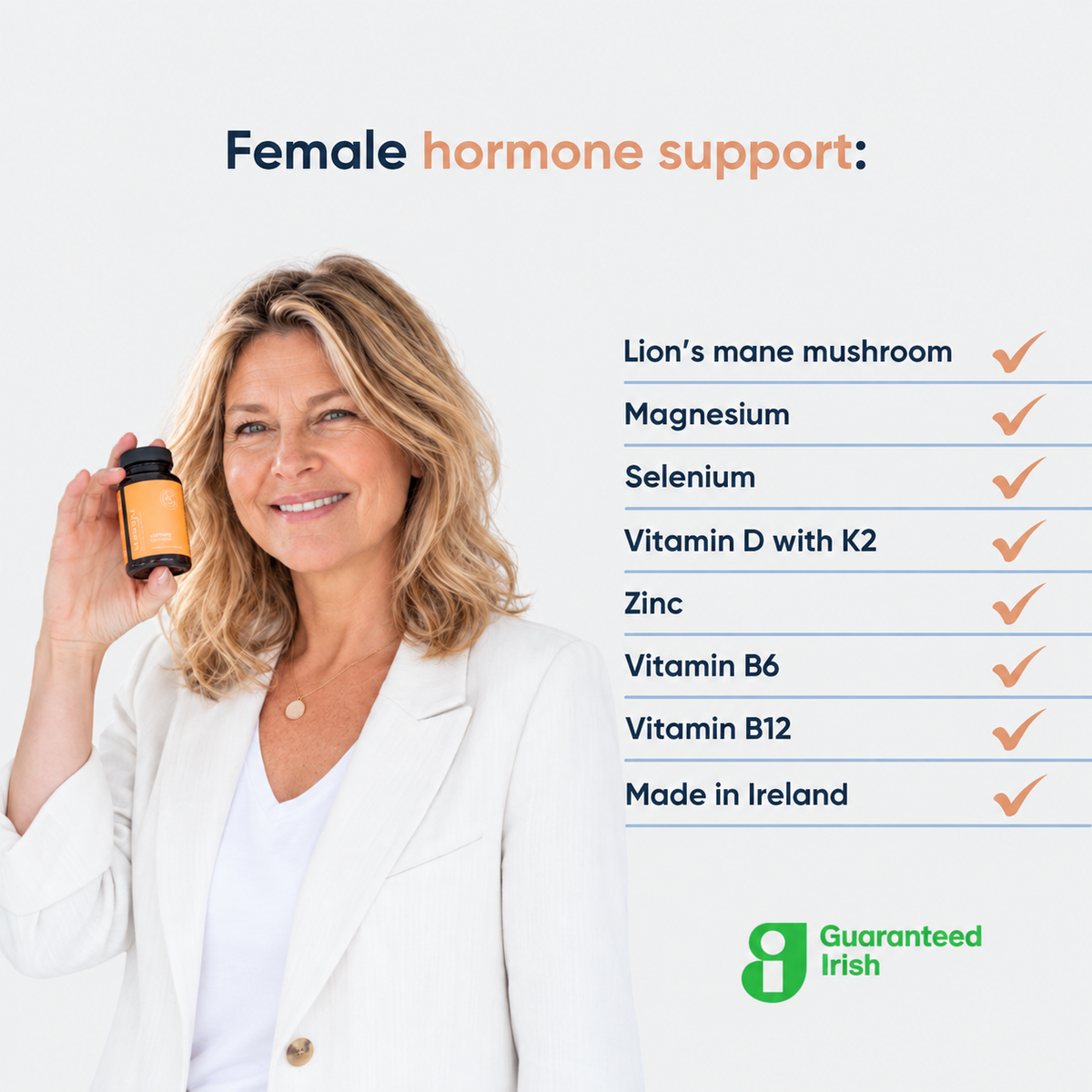
For women also managing brain fog, mood shifts, and the broader hormonal picture of perimenopause, Harmony — our Female Balance Blend — includes Lion's Mane, Magnesium Bisglycinate, D3+K2, Zinc, B6, B12, and Selenium. Vitamin D deficiency is extremely common in Ireland and is linked to poor sleep quality. B6 is directly involved in the production of serotonin, a precursor to melatonin. Harmony isn't a standalone sleep supplement, but it supports the wider hormonal environment that makes restful sleep possible — which, for women in perimenopause, matters enormously.
What lifestyle habits actually help perimenopausal women sleep better?
Supplements work best alongside good habits. Here's what has the most evidence behind it for women in perimenopause:
- Keep your bedroom cool. A bedroom temperature of 16–18°C consistently supports better sleep for women experiencing night sweats. Light cotton bedding and good ventilation make a genuine difference.
- Anchor your wake time, not just your bedtime. Your body regulates sleep through circadian rhythm, and a consistent wake time is the most powerful anchor — even after a poor night. Getting up at the same time trains your internal clock faster than any other intervention.
- Reduce evening alcohol. Alcohol may feel relaxing at first, but it significantly reduces deep sleep and REM sleep — and for perimenopausal women, it amplifies night sweats. Even one glass of wine can fragment the second half of your night.
- Get morning light early. Ten minutes of natural light within an hour of waking helps set your cortisol awakening response, which in turn supports better melatonin timing at night. In Ireland, this matters even more during darker months.
- Do a brain dump before bed. Writing down tomorrow's tasks before you get into bed has been shown to reduce pre-sleep cognitive arousal. Pair it with L-Theanine and you're giving your nervous system real, evidence-based support to wind down.
If you're also dealing with daytime stress that's feeding into your sleep struggles, I wrote about how stress and sleep feed each other here: The Link Between Stress and Poor Sleep. And if sleep has generally worsened since your 40s, this covers the bigger picture: Why Does Sleep Get Worse After 40?
Frequently Asked Questions
Why can't I sleep during perimenopause?
Perimenopause disrupts sleep through falling oestrogen and progesterone, both of which regulate body temperature, cortisol control, and the brain's ability to calm down at night. Sleep disturbance affects over 80% of midlife women and is one of the most common perimenopausal symptoms. It's not in your head — it's a hormonal shift that changes how your brain manages sleep.
What is the best supplement for sleep during perimenopause?
The strongest evidence points to Magnesium Bisglycinate (300–400mg before bed), Ashwagandha KSM-66 (which reduces cortisol and improves sleep after 6–8 weeks of consistent use), and L-Theanine (200mg, which supports sleep onset and calms an overactive mind). Used together, these three address the most common hormonal drivers of perimenopausal sleep disruption.
Does perimenopause cause early morning waking?
Yes — waking between 2am and 4am is very common in perimenopause. It's typically caused by earlier-than-normal cortisol spikes, which become more likely when progesterone falls. Addressing cortisol through adaptogens like Ashwagandha KSM-66 and supporting GABA function through Magnesium Bisglycinate can significantly reduce these early awakenings.
How long does perimenopause sleep disruption last?
For many women, sleep disruption begins in perimenopause and can persist into early postmenopause — sometimes spanning several years if left unaddressed. The encouraging news is that targeted support through lifestyle changes and evidence-based supplements can substantially reduce the impact throughout this transition.
Is it safe to take magnesium and ashwagandha together for perimenopause sleep?
Yes — Magnesium Bisglycinate and Ashwagandha KSM-66 are well-tolerated together and their mechanisms are complementary. Magnesium supports GABA receptors to promote calm, while ashwagandha reduces cortisol upstream. Together, they target both the nervous system and the hormonal drivers of poor sleep. Always check with your GP before starting new supplements if you are on any medication.
Sleep during perimenopause is one of the things I care most about — because I know how much everything else falls apart when you're not resting. Your mood, your patience, your energy, your ability to show up for the people you love. If you're reading this at 3am, I want you to know: it's not permanent, it's not weakness, and there's real support out there.
If you'd like to start where I did, Equilibrium and our Magnesium Bisglycinate are the combination I still take myself. And if you want full hormonal support alongside better sleep, Harmony was built exactly for this stage of life.
This article is for informational purposes only and does not constitute medical advice. Please consult your GP if you are experiencing persistent sleep difficulties.
Shop Sleep Support for Perimenopause
- Equilibrium — Stress & Sleep Complex (Ashwagandha KSM-66, Magnesium Glycinate, L-Theanine, Active B-Complex)
- Magnesium Bisglycinate — Sleep & nervous system support
- Harmony — Female Balance Blend (Lion's Mane, Magnesium Bisglycinate, D3+K2, Zinc, B6, B12, Selenium)













Share:
Why Do Women Sleep Worse Than Men? The Truth About Female Sleep and Hormones
Elaine's Food Diary: Healthy Meal Ideas for Women in Meno or Perimenopause