




If you've been lying awake at night wondering why you can't sleep, you're not alone — and you're not imagining it. Ireland has a genuine sleep crisis, and the numbers are striking: 49% of Irish adults wake up feeling tired almost every day, placing Ireland in the top five most sleep-deprived countries in the world, alongside the USA, Norway, Sweden, and Australia.
This isn't just about feeling groggy. Poor sleep affects your mood, your weight, your immunity, your hormones, and your long-term health. And yet, for most people, the solution isn't prescription sleeping tablets — it's understanding why your sleep is broken, and addressing the root cause.
How Much Sleep Are Irish Adults Actually Getting?
The average Irish adult gets 6 hours and 35 minutes of sleep per night — significantly less than the 7–9 hours recommended by the Sleep Foundation for adults. Almost a third of Irish people (27%) wake up more than twice during the night, and 43% say they're worried they're not getting enough sleep.
Insomnia affects between 6–15% of the general Irish population, according to the Irish Sleep Apnoea Trust, with higher rates reported among women than men.
Why Is Ireland Among the Worst Countries for Sleep?
Ireland's sleep problems are driven by a combination of lifestyle, climate, and biology. Key contributing factors include:
Chronic stress and high cortisol. Modern work culture, long commutes, financial pressure, and the always-on nature of smartphones have pushed stress levels to a point where many Irish adults struggle to mentally switch off at night. Elevated cortisol — the body's primary stress hormone — directly interferes with the sleep cycle, suppressing melatonin and preventing deep, restorative sleep.
Vitamin D deficiency. Ireland's limited sunlight exposure means a significant proportion of the population is Vitamin D deficient. Low Vitamin D is linked to poor sleep quality and shorter sleep duration.
Hormonal changes. Women in their 40s and 50s experiencing perimenopause frequently report disrupted sleep as one of the first and most disruptive symptoms — driven by declining oestrogen and progesterone, which both have a direct role in regulating sleep.
Alcohol and caffeine habits. Both are culturally embedded in Irish life and both significantly disrupt sleep architecture — even when consumed hours before bed.
What Is the Most Common Cause of Waking Up at 3am?
Waking at 3am and being unable to get back to sleep is one of the most common sleep complaints in Ireland — and it has a specific biological cause. Cortisol naturally begins to rise in the early hours of the morning to prepare your body for waking. In people with elevated baseline stress, this rise happens too early and too steeply, pulling them out of deep sleep in the middle of the night.
This is a cortisol problem, not simply a sleep problem — and it's why sedative-style sleep aids often don't solve it long term.
What Natural Supplements Help with Sleep in Ireland?
A growing number of Irish adults are moving away from pharmaceutical sleep aids and toward evidence-backed natural supplements. Here's what the research supports:
Ashwagandha KSM-66
Ashwagandha is a clinically researched adaptogen shown to reduce cortisol by up to 27% in peer-reviewed trials. KSM-66 is the most bioavailable, most studied form of ashwagandha extract. By lowering baseline cortisol, it addresses one of the primary drivers of poor sleep in stressed adults — particularly the 3am wake-up pattern. It does not sedate; it regulates.
Magnesium Glycinate
Magnesium is involved in over 300 enzymatic processes in the body, including those that regulate the nervous system and sleep. Magnesium Glycinate (also written Bisglycinate) is the most bioavailable form — absorbed most efficiently and gentlest on the digestive system. It supports GABA activity in the brain — the neurotransmitter responsible for calming neural activity at night. Studies show magnesium supplementation improves sleep onset, duration, and quality, particularly in adults over 40.
L-Theanine
L-Theanine is an amino acid found in green tea that promotes alpha brain waves — associated with a state of calm alertness. At night, it helps quiet a racing mind without causing drowsiness. When combined with Magnesium, the effect is synergistic: your body finds its own calm rather than being chemically sedated.
B-Vitamins
The B-vitamin complex plays a critical role in regulating the nervous system and supporting the production of serotonin — a precursor to melatonin. B-vitamin depletion, common in people under chronic stress, can directly impair sleep quality.
What Is the Best Natural Sleep Supplement in Ireland?
The most effective natural sleep supplements don't target sleep in isolation — they address the underlying stress and nervous system dysregulation that prevents sleep in the first place.
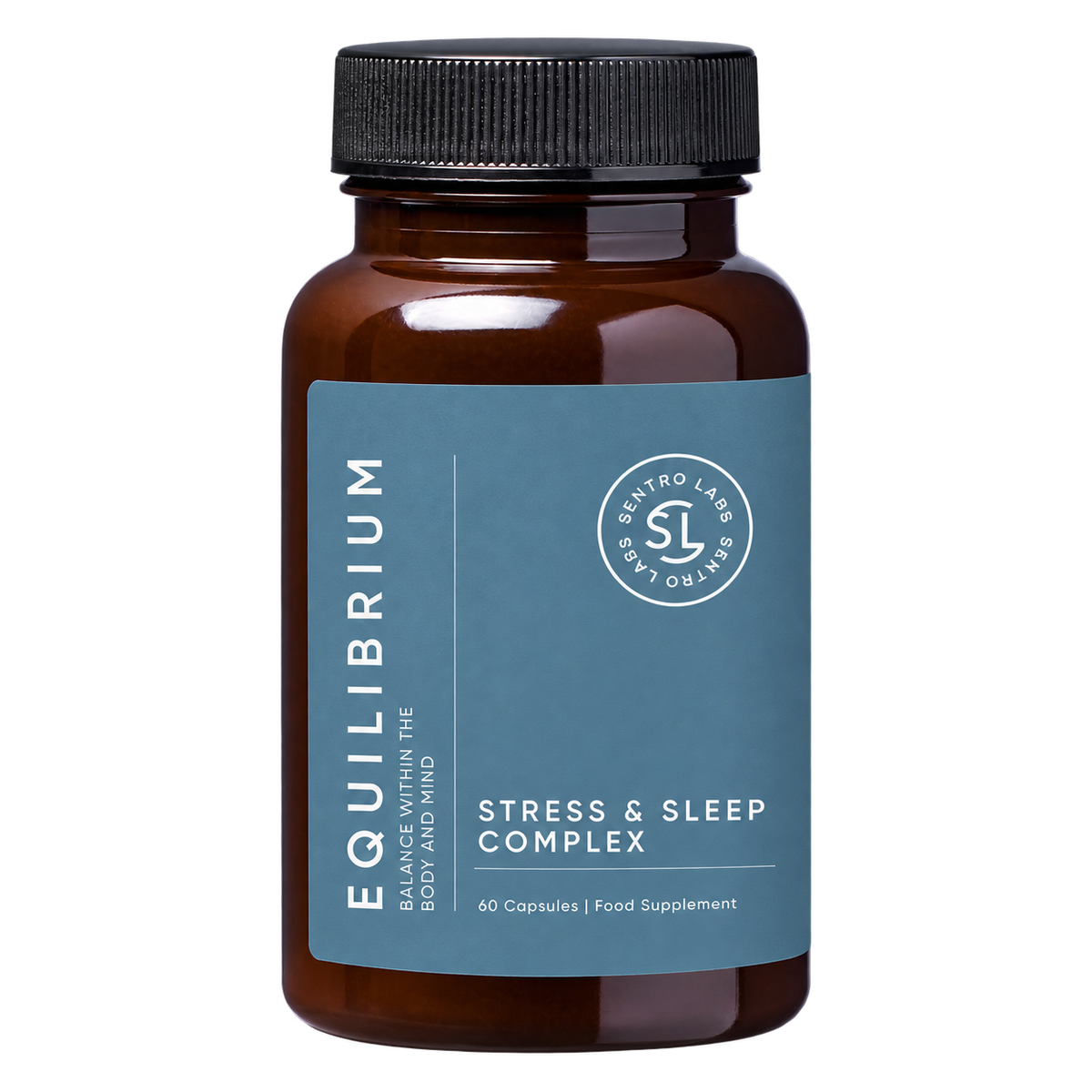
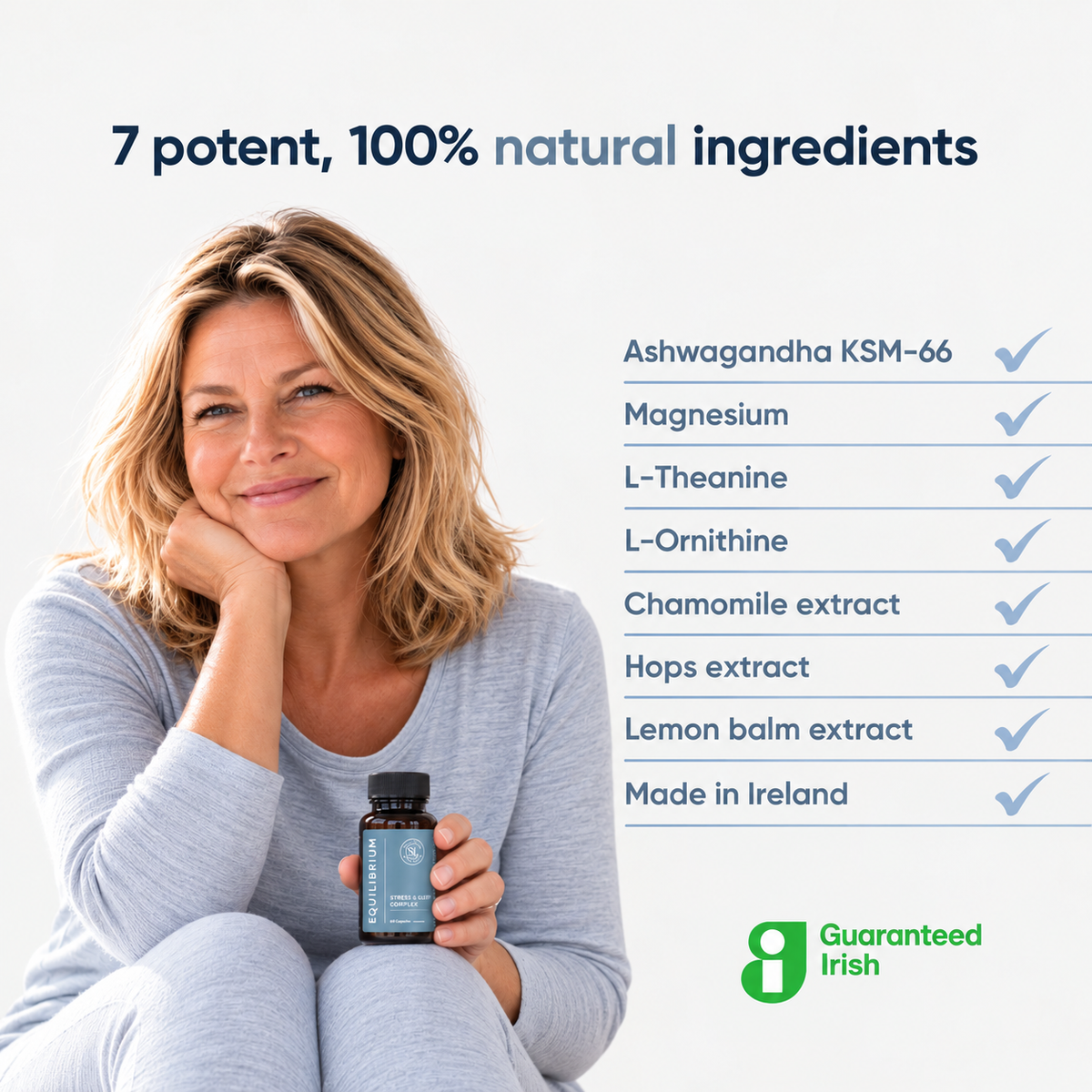
Equilibrium by Sentro Labs combines Ashwagandha KSM-66, Magnesium Glycinate, L-Theanine, and an Active B-Complex in a single daily supplement — formulated specifically for Irish adults dealing with chronic stress and disrupted sleep. It's Irish made, third-party tested, and designed for consistent daily use rather than as a quick fix.
For those who want targeted magnesium support, Magnesium Bisglycinate by Sentro Labs provides a pure, high-absorption dose — particularly effective for those who wake frequently during the night or struggle with muscle tension that prevents sleep onset.
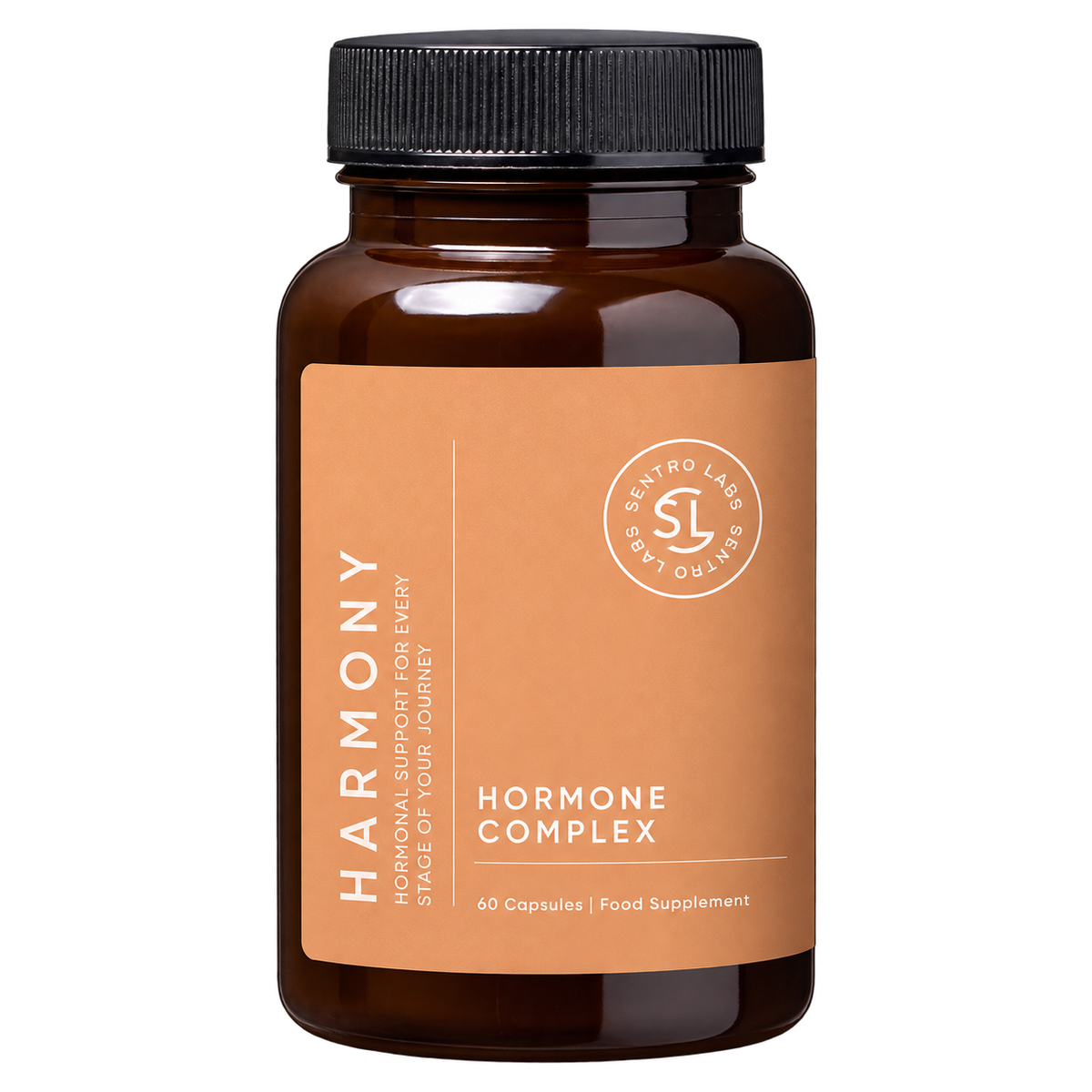
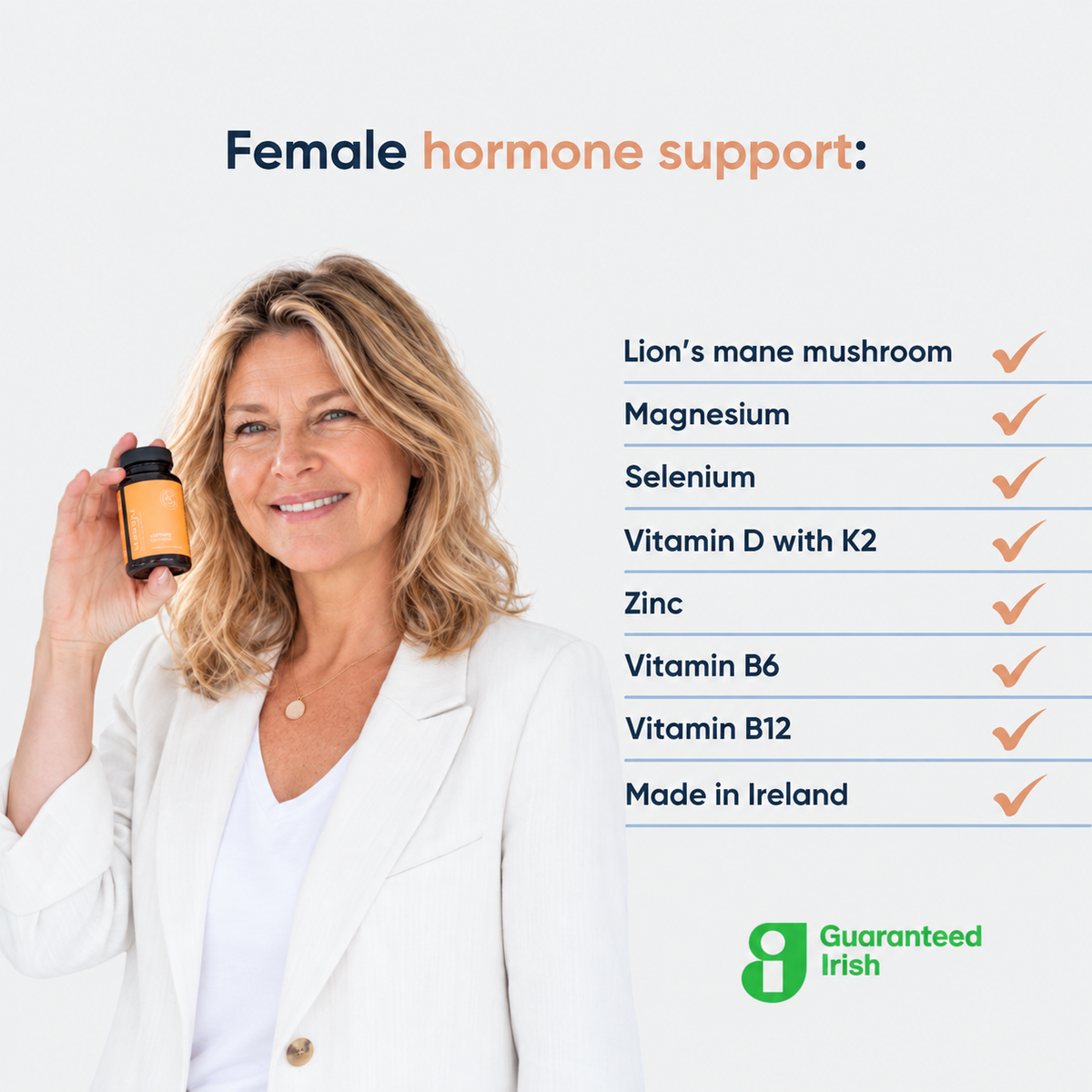
For women navigating hormonal changes that are disrupting sleep, Harmony by Sentro Labs combines Magnesium Bisglycinate with Lion's Mane, B6, B12, Zinc, D3+K2, and Selenium — addressing sleep disruption at the hormonal level.
How Long Does It Take for Natural Sleep Supplements to Work?
Natural sleep supplements are not sedatives — they work by restoring balance over time rather than forcing sleep on a single night. Most people notice improvement in sleep quality and morning energy within 2–4 weeks of consistent daily use. Cortisol regulation via ashwagandha typically shows measurable results in clinical studies at the 8-week mark, though many users report changes sooner.
Consistency matters more than timing. Taking your supplement at the same time each day — typically in the evening — produces the best results.
Sleep Hygiene Tips That Actually Work
Supplements work best alongside consistent sleep habits. These are the evidence-backed basics:
- Consistent wake time — same time every morning, including weekends. This anchors your circadian rhythm more effectively than any other single change.
- Limit screen light after 9pm — blue light suppresses melatonin. Use night mode or blue light glasses if you can't avoid screens.
- Keep your bedroom cool — core body temperature needs to drop for sleep to begin. 16–18°C is optimal.
- Avoid alcohol within 3 hours of bed — alcohol fragments sleep architecture and dramatically reduces REM sleep.
- Move your body during the day — even 20 minutes of walking improves sleep quality measurably.
Frequently Asked Questions About Sleep in Ireland
Why do so many Irish people have trouble sleeping?
Ireland ranks among the most sleep-deprived countries globally. The main drivers are chronic stress, high cortisol levels, Vitamin D deficiency from limited sunlight, and hormonal changes — particularly in women over 40. 49% of Irish adults report waking up tired almost every day.
What is the best natural remedy for sleep problems in Ireland?
The most evidence-backed natural approach combines Ashwagandha KSM-66 (to reduce cortisol), Magnesium Glycinate (to support nervous system calm and GABA activity), and L-Theanine (to quieten a racing mind). Equilibrium by Sentro Labs contains all three in a single daily supplement formulated for Irish adults.
Is magnesium good for sleep?
Yes. Magnesium Glycinate is one of the most well-researched natural supplements for sleep. It supports GABA — the brain's calming neurotransmitter — and has been shown in clinical studies to improve sleep onset time, sleep duration, and overall sleep quality, particularly in adults over 40.
Why do I keep waking up at 3am?
Waking at 3am is typically a cortisol issue. Cortisol naturally rises in the early hours — but in people under chronic stress, this rise happens too early and too steeply, pulling them out of deep sleep. Ashwagandha KSM-66 has been shown to regulate this cortisol pattern when taken consistently.
How long does ashwagandha take to work for sleep?
Most people notice improved sleep quality within 2–4 weeks of daily use. Clinical studies measuring cortisol reduction typically show significant results at 8 weeks. It works gradually and sustainably — not as an overnight sedative.
Are Sentro Labs supplements available in Ireland?
Yes. Sentro Labs is an Irish wellness brand, founded in 2024. All products are available at sentrolabs.com with delivery throughout Ireland and the UK.
This article is for informational purposes only and does not constitute medical advice. If you are experiencing severe or persistent sleep problems, please consult your GP or a qualified healthcare professional.











Share:
My Journey as a Mum, Entrepreneur, and Wellness Advocate
Why Does Sleep Get Worse After 40? What's Actually Happening (and What Helps)