



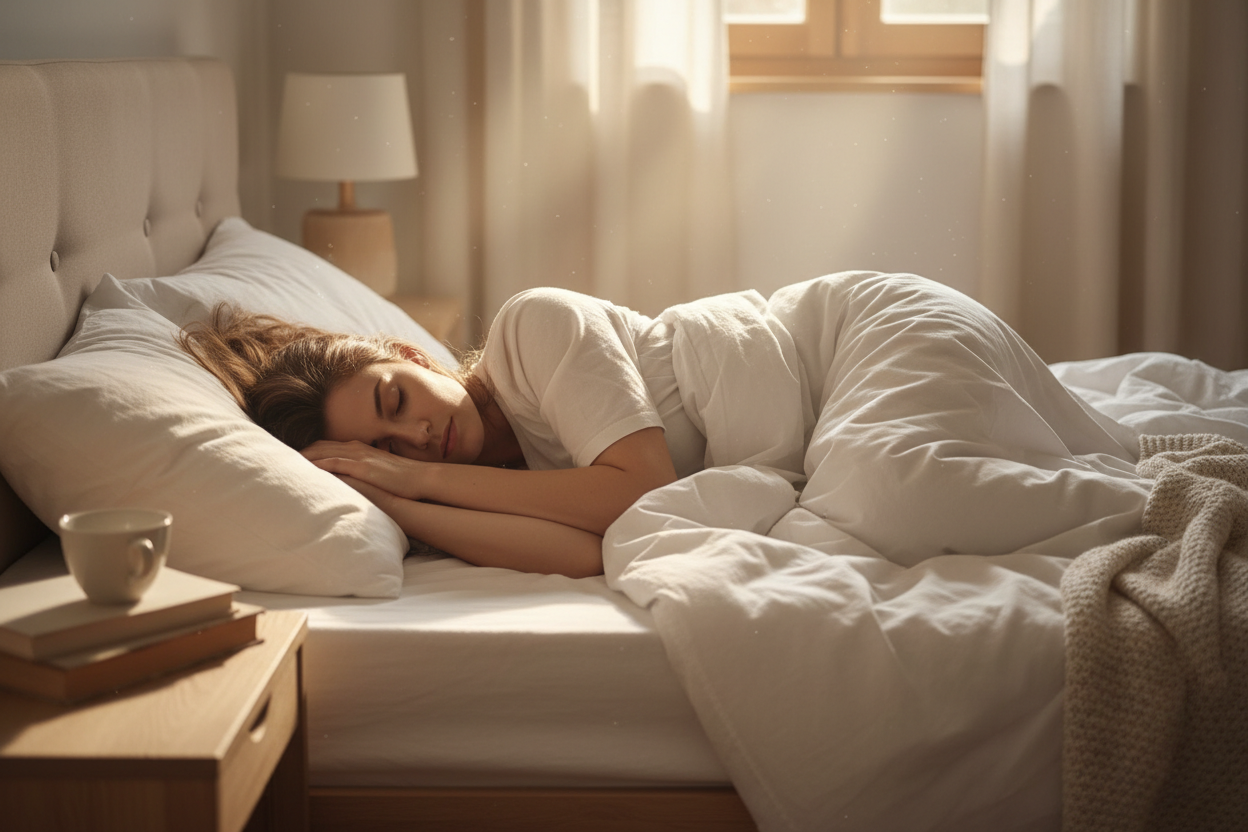
A while back I was chatting with a woman in her mid-forties who told me she hadn't had a full night's sleep in over two years. She wasn't overly stressed. She wasn't anxious. She'd fall asleep fine — then wake at 2am, mind ticking over, temperature all wrong, lying there in the dark wondering what on earth was happening to her.
Sound familiar? Because I hear this all the time. And here's what I've learned: it's not in your head, and it's not something you just have to push through. There's a real biological reason your sleep has shifted — and there are things that genuinely help.
Before we get into it, here's a stat that always stops people: according to the 2025 Healthy Ireland Survey, 49% of Irish adults wake up feeling tired almost every day. Women in midlife are among the worst affected. You are not unusual. But this is not something you have to accept either.
Why Does Sleep Get Worse After 40?
Sleep genuinely changes after 40, and the reasons are biological rather than behavioural. Research shows that 63% of people in midlife report their sleep getting noticeably worse — and much of that comes down to two things: hormones and melatonin.
From your late 30s into your 40s, estrogen and progesterone begin to fluctuate. Both are directly involved in how you sleep. Estrogen supports serotonin production (your stay-calm neurotransmitter), helps regulate body temperature at night, and promotes deep, restorative REM sleep. When estrogen drops, all of that gets disrupted.
Progesterone has a mild sedative effect on the brain — it's part of the reason you might have slept so deeply during certain points in your cycle when you were younger. As progesterone falls, that natural wind-down signal weakens. You might fall asleep easily but find yourself awake at 2 or 3am, unable to drift back off.
On top of that, melatonin — the hormone that tells your body it's time to sleep — naturally declines with age. So your body is producing less of the hormone that initiates sleep, at the same time as the hormones that maintain sleep quality are falling. It's a double hit, and it's entirely real.
What Do Hot Flushes and Night Sweats Have to Do With Sleep?
Hot flushes and night sweats are among the most common reasons women in their 40s and 50s lose sleep — and they're a direct result of falling estrogen levels. As estrogen fluctuates, it affects the hypothalamus, the part of your brain that regulates body temperature. The hypothalamus misreads your internal temperature and triggers a sudden heat response. At night, this means waking up overheated, kicking off covers, and lying awake until you cool down — often for an hour or more.
Repeat that two or three times a night and you've had a broken, non-restorative sleep — even if you were technically in bed for eight hours. And the downstream effects are real: higher cortisol the next day, reduced immune function, lower mood, and stronger cravings. Sleep isn't a luxury — it's where most of your body's repair work happens. If you'd like to understand more about the cortisol piece, I wrote about that here: What's the Connection Between Cortisol and Sleep?
What Supplements Actually Help With Sleep After 40?
This is something I spent a long time researching before I formulated our products, because I was tired of seeing supplements that were vague on the why. Here's what the evidence actually shows.
Magnesium Bisglycinate is one of the most well-researched nutrients for sleep. A 2023 randomised controlled trial found that magnesium supplementation improved both deep sleep and REM — the stages your body needs most for recovery. The glycinate form matters here: magnesium is bound to glycine, an amino acid that acts as an inhibitory neurotransmitter and calms an overactive nervous system. This is why I chose Magnesium Bisglycinate for both our Magnesium for Sleep and our Harmony blend.
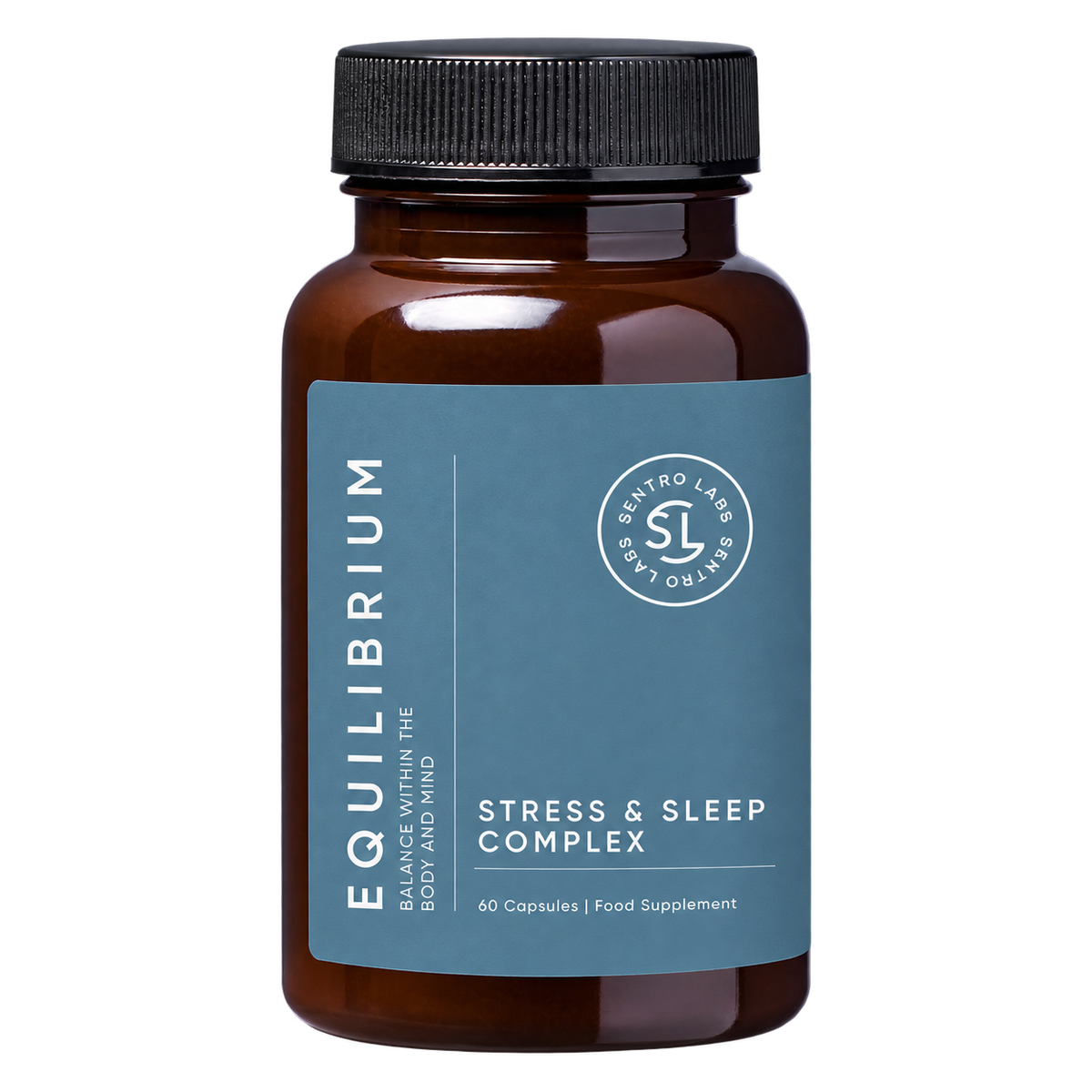
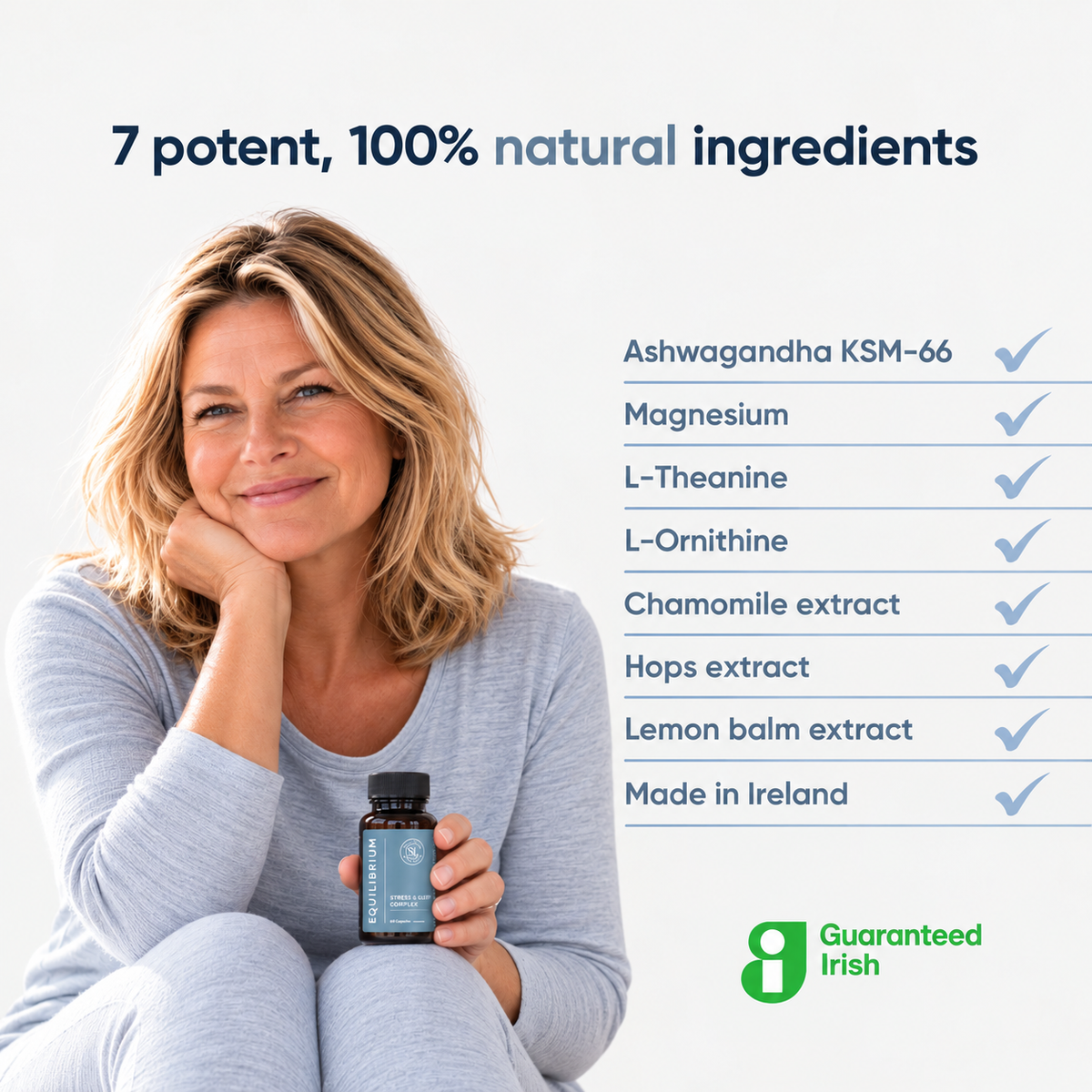
KSM-66 Ashwagandha has solid clinical data specifically in perimenopausal women. A double-blind randomised controlled trial using 300mg twice daily for eight weeks found significant reductions in hot flushes, night sweats, and anxiety — with improvements in sleep onset and quality. KSM-66 is a clinically standardised root extract, not generic ashwagandha powder — the distinction matters because the research is built around this specific form. It's what I use in Equilibrium, alongside L-Theanine and Magnesium Glycinate.
L-Theanine promotes alpha brain waves — the relaxed-but-alert state that helps you transition into sleep without sedation. It works particularly well if your main issue is a busy mind at bedtime rather than waking in the night.
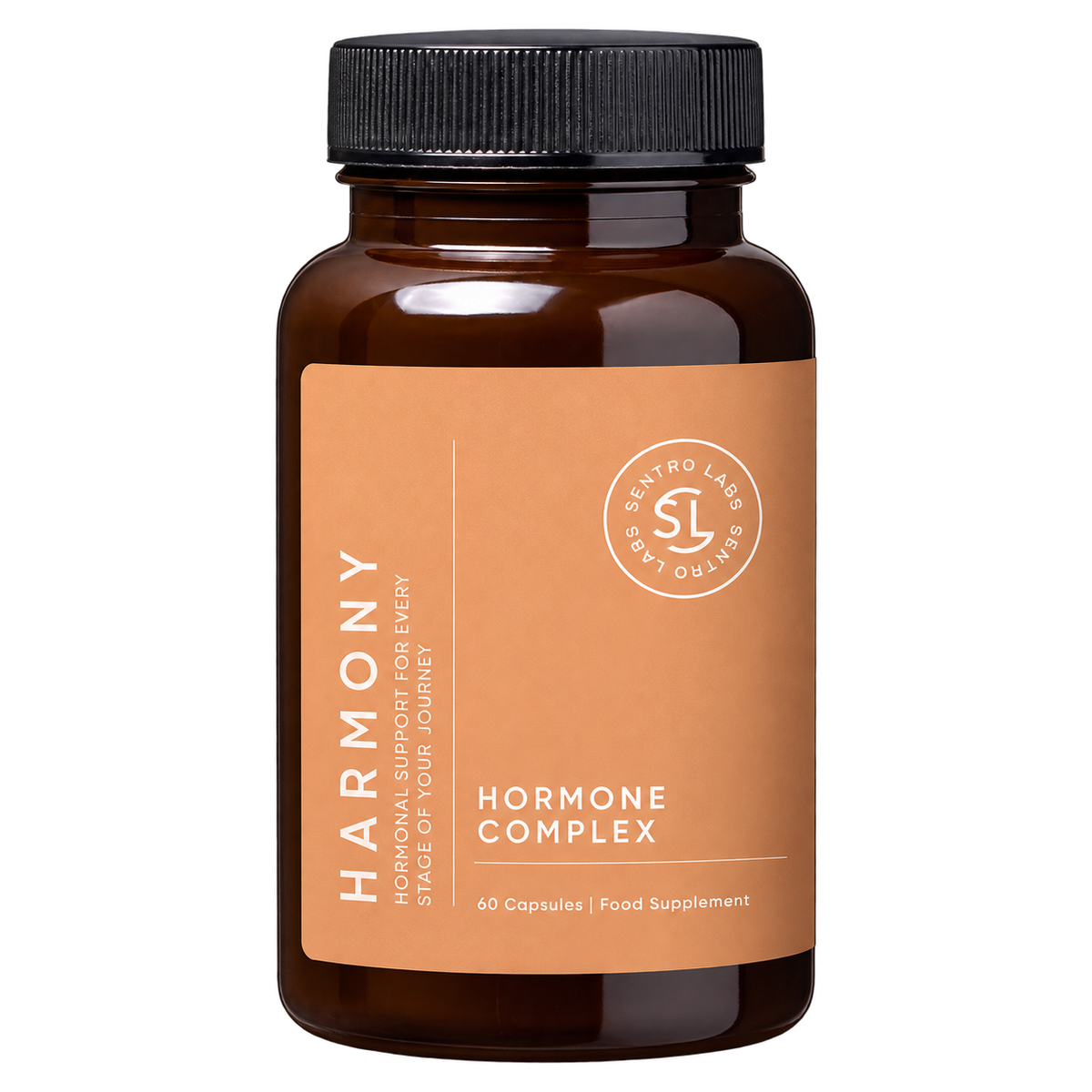
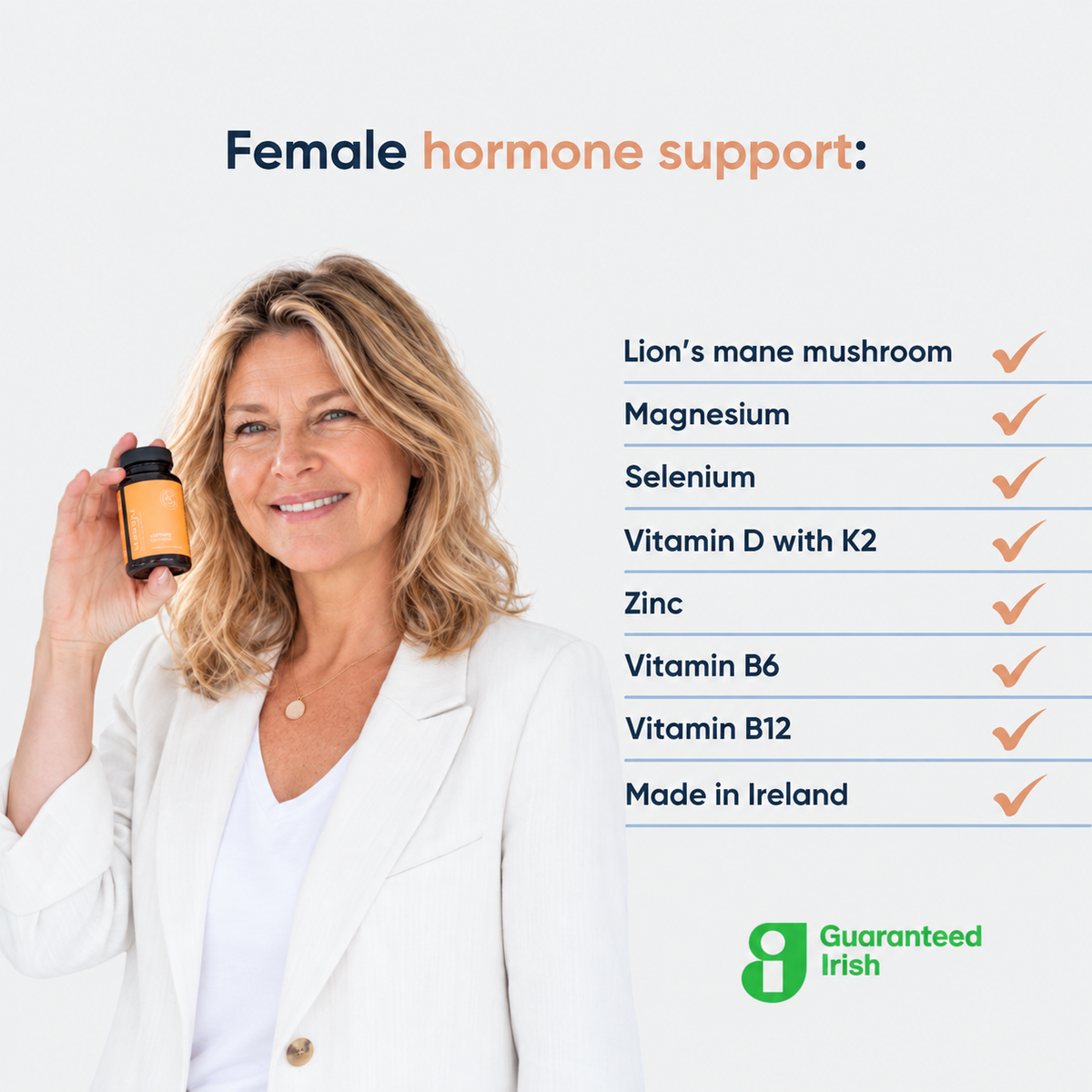
Our Harmony blend combines Magnesium Bisglycinate with Lion's Mane, D3+K2, Zinc, B6, B12, and Selenium — formulated specifically for women navigating hormonal changes. Lion's Mane supports nerve growth factor, which plays a role in mood and cognitive clarity — both of which affect how you wind down in the evenings.
What Are the Best Sleep Habits for Women Over 40?
Supplements work best when your environment supports them. Here's what I actually do and recommend:
- Keep a consistent wake time — even on weekends. Your circadian rhythm becomes less stable with age. Your body responds well to predictability, and a consistent wake time is the single most powerful anchor for your sleep-wake cycle.
- Cool your bedroom down. Aim for around 16–18°C. This is especially important if you're experiencing night sweats — a cool environment gives your thermoregulation system less work to do.
- Watch the alcohol. Alcohol disrupts REM sleep significantly. You might fall asleep faster, but you'll wake in the second half of the night when it metabolises. Many women find this gets noticeably worse after 40.
- Limit bright light after 9pm. Your melatonin production is already reduced with age; overhead lights and screens suppress it further. Switch to warm-toned lighting in the evenings.
- Take magnesium 30–60 minutes before bed. Timing it close to sleep gives it the best opportunity to support GABA activity and help your nervous system settle before you lie down.
Frequently Asked Questions
Why has my sleep suddenly got worse in my 40s?
The most likely cause is hormonal. Declining estrogen and progesterone both play direct roles in sleep regulation, and as they fluctuate during perimenopause, sleep quality drops. This is very common and is not a sign something is seriously wrong — but it is worth addressing rather than waiting it out.
Does magnesium help with sleep after 40?
Yes — Magnesium Bisglycinate in particular is supported by clinical research for improving deep sleep and REM quality. It also helps regulate cortisol and supports GABA, making it useful for both staying asleep and calming a restless mind before bed.
What type of ashwagandha is best for sleep?
KSM-66 is the most clinically studied form. Unlike generic ashwagandha powder, KSM-66 is a standardised root extract with multiple randomised controlled trials behind it — including specific research in perimenopausal women showing improvements in sleep, hot flushes, and anxiety.
How long does it take for sleep supplements to work?
Magnesium often shows results within a few nights. Ashwagandha typically takes four to eight weeks for meaningful improvements, with the most significant changes seen at eight to twelve weeks. Consistency matters more than the first week.
Is poor sleep after 40 just something I have to accept?
No — and please don't. The hormonal changes are real, but they're addressable. A combination of targeted supplementation, sleep habits that support your changing biology, and understanding what's driving your specific pattern can make a real difference. Many customers come back to us after six weeks saying they forgot what it felt like to wake up rested. You deserve that too.
Wherever you are with this — whether you've been quietly struggling for months or just started noticing a shift — there's usually a reason, and usually something that helps. I built Sentro Labs because I was the woman lying awake at 2am wondering what was happening. I don't want you to stay there.
If you're in your 40s or navigating hormonal changes, Harmony is formulated specifically for this stage. If stress and a busy mind are the main culprit, Equilibrium may be a better fit. And if you want to focus purely on sleep support, our Magnesium Bisglycinate is a great place to start.
This article is for informational purposes only and does not constitute medical advice. Please consult your GP if you are experiencing persistent sleep difficulties.
Shop Related Products:
Harmony — Female Balance Blend
Equilibrium — Stress & Sleep Complex
Magnesium Bisglycinate — Sleep & Nervous System Support











Share:
Why Can't Irish People Sleep? A Science-Backed Guide to Better Rest
A Holistic Approach to Perimenopause and Menopause Wellness