




As we head into September, I want to talk about something that doesn't get nearly enough attention in Ireland — and that's the link between vitamin D and sleep. Most of us think about vitamin D for bones and immunity. But when I started looking into why so many people sleep worse in autumn and winter, I kept coming back to the same thing: vitamin D levels.
A 2025 Healthy Ireland Survey found that 32% of Irish adults sleep six hours or less on a regular weeknight. That's nearly 1 in 3 people running on empty. And here's what most sleep advice doesn't tell you: for a significant portion of us, the problem might start in our blood, not our bedrooms.
Does vitamin D actually affect sleep?
Yes — and the research is increasingly clear on this. Vitamin D receptors (VDRs) are found in several areas of the brain that directly regulate sleep, including the hypothalamus and brain stem. These are the control centres for your body clock and sleep-wake cycle. When vitamin D is low, those systems don't function as well.
Here's the mechanism in plain English: vitamin D activates an enzyme called tryptophan hydroxylase-2 (TPH-2), which converts tryptophan into serotonin — your feel-good neurotransmitter. Serotonin then becomes the raw material for melatonin, the hormone your body uses to signal that it's time to sleep. Without adequate vitamin D, this whole chain can be disrupted. Less vitamin D leads to less serotonin, which leads to less melatonin, which means it's harder to fall asleep and stay asleep.
A 2025 study published in the American Journal of Physiology found that people with lower vitamin D levels had significantly greater sleep variability — meaning more broken, inconsistent sleep. A 2024 review in Frontiers in Nutrition linked low vitamin D to higher insomnia severity scores. The signal is real, and here's what I've learned: it's worth taking seriously long before you start noticing the effects.
Why are so many Irish people low in vitamin D?
This is the part that I find genuinely frustrating, because it's a structural problem for anyone living here. Ireland sits between 52 and 55 degrees north latitude — far enough from the equator that for roughly six months of the year, from October to March, there simply isn't enough UVB radiation in sunlight to trigger vitamin D production in your skin.
Even in summer, the window is narrower than most people assume. Research shows that approximately 40% of Irish adults have inadequate vitamin D levels year-round. In winter, 1 in 4 older Irish adults are clinically deficient. These are significant numbers affecting hundreds of thousands of people across the country — most of whom have no idea.
Here's the timing that matters: by late August and into September, UV levels in Ireland are already starting to fall. The sun is lower in the sky. Even if your summer levels are decent, they'll drop from here. And most of us aren't building up the reserves we need to carry us through autumn and winter.
What does vitamin D deficiency actually do to your sleep?
Beyond the serotonin-melatonin pathway, low vitamin D disrupts sleep in a few other ways that are worth understanding.
First, vitamin D deficiency is associated with higher levels of low-grade inflammation. Chronic inflammation disrupts your sleep architecture — meaning you spend less time in deep, restorative sleep, even if you're technically in bed for 7 or 8 hours. That's the frustrating scenario where you wake up still exhausted and can't figure out why.
Second, low vitamin D has been consistently associated with higher rates of obstructive sleep apnea — a condition where breathing repeatedly stops during sleep and which massively reduces sleep quality. Research in the Journal of Sleep Research found a high incidence of vitamin D deficiency among people with sleep apnea.
Third, vitamin D plays an important role in immune regulation and pain sensitivity. Both poor immunity and chronic pain are significant sleep disruptors — and both can be quietly worsened by low vitamin D over time.
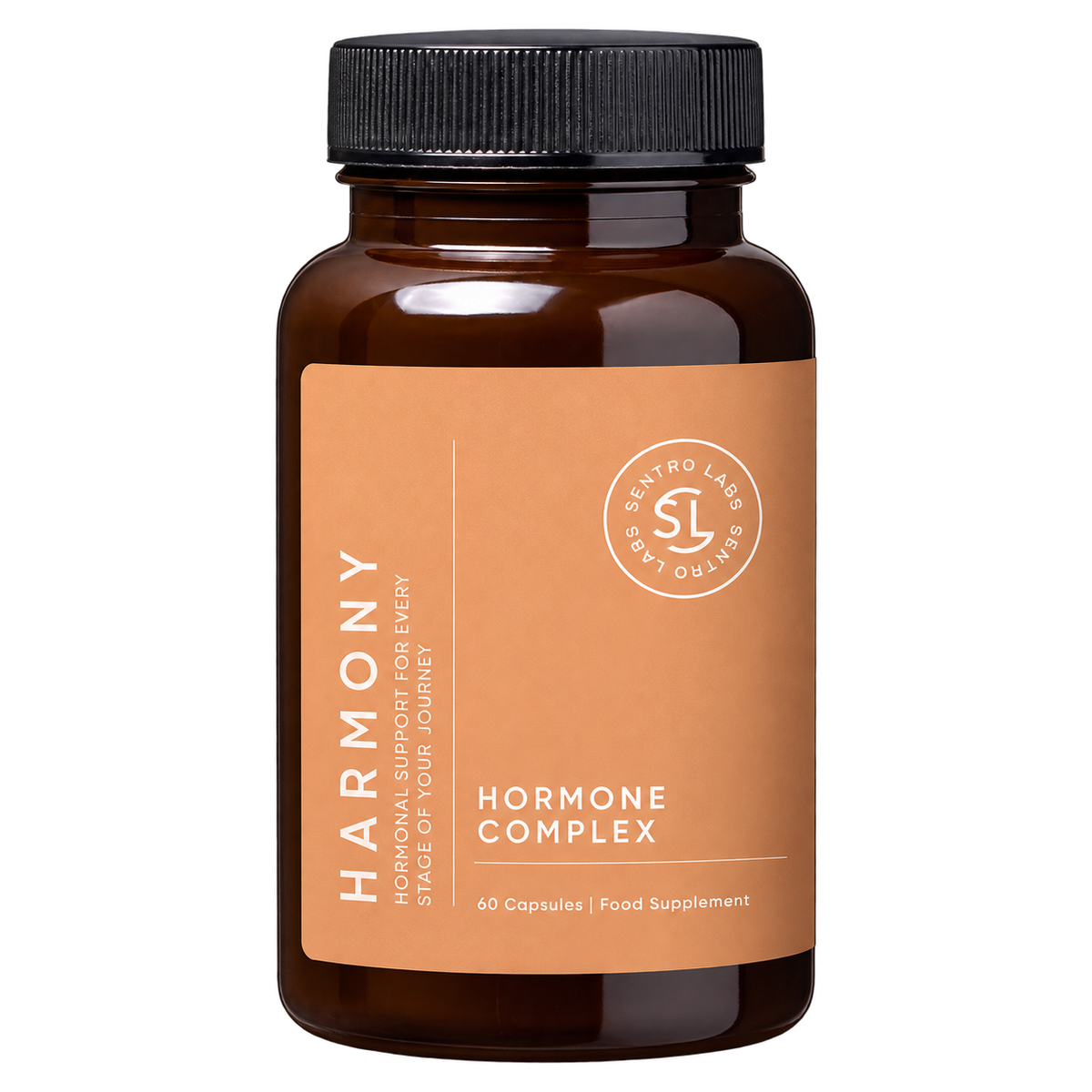
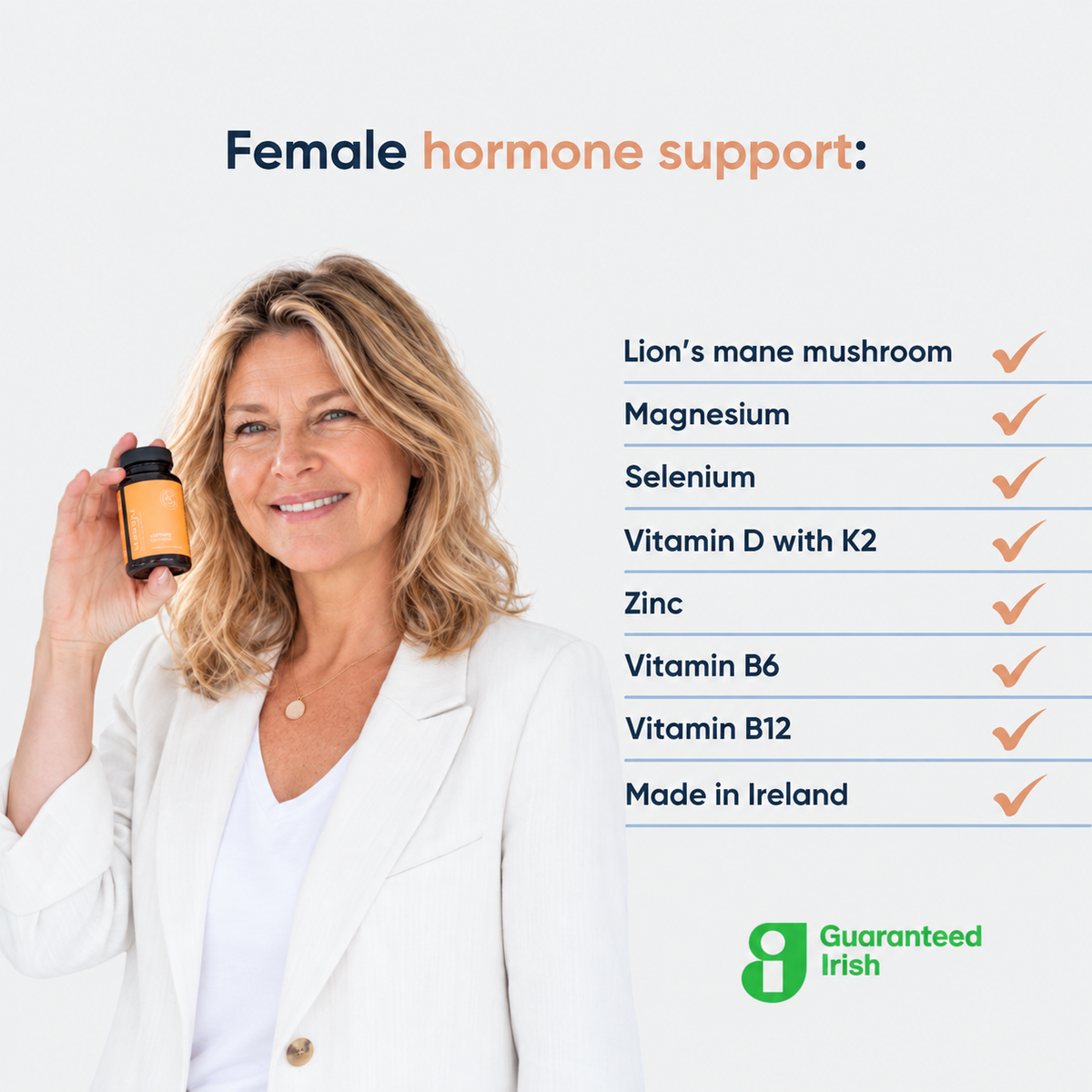
This is a big part of why I included Vitamin D3 + K2 in our Harmony blend. When I was formulating it, I wanted to address the whole picture — particularly for women going through hormonal changes, where sleep disruption is often the first sign that something is off. I chose D3 specifically because it's the most bioavailable form (identical to what your skin produces from sunlight), and pairing it with K2 helps your body put that vitamin D to work properly rather than letting it accumulate in the wrong places. Harmony also includes Lion's Mane, Magnesium Bisglycinate, B12, B6, Zinc, and Selenium — all chosen to support the nervous system, hormonal balance, and sleep quality together.
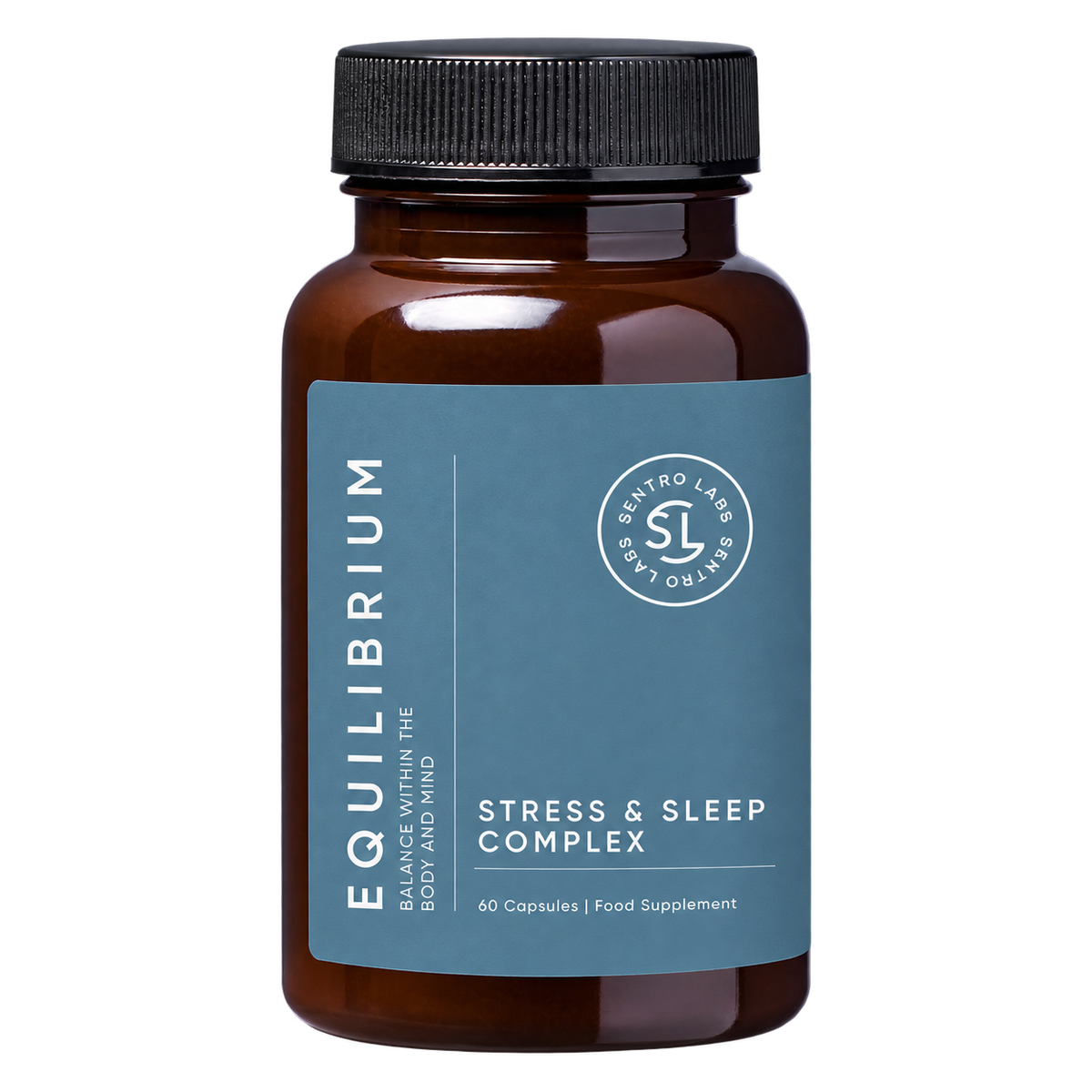
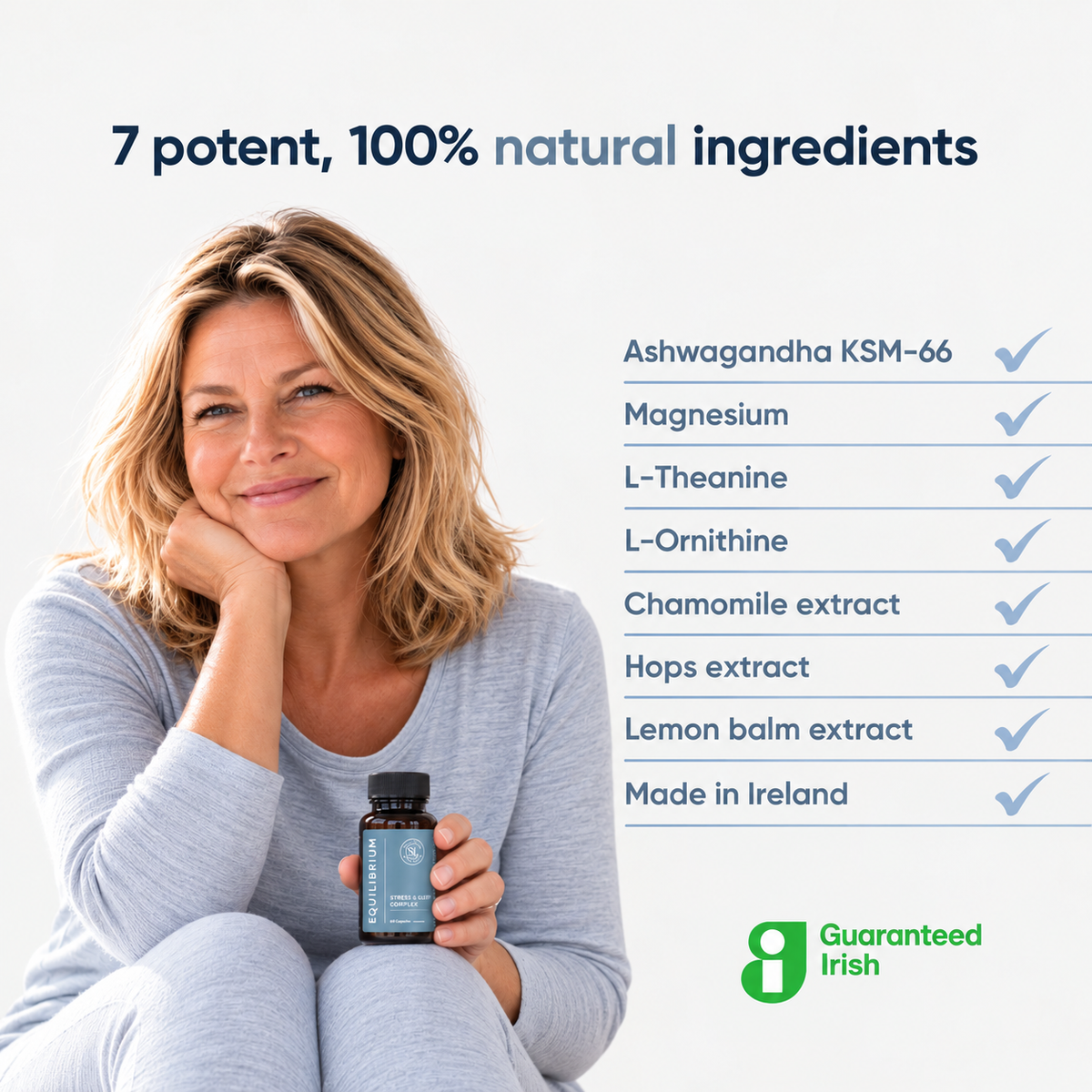
If stress or a racing mind at night is also part of your picture, Equilibrium is worth looking at — it brings together Ashwagandha KSM-66, Magnesium Glycinate, L-Theanine, and an Active B-Complex specifically for stress and sleep support.
What can I do right now to support my vitamin D and sleep quality?
Here are the things I actually do and recommend — all evidence-based and practical for Irish life:
- Get tested first. Ask your GP for a 25(OH)D blood test. You genuinely can't know where you stand without it. Late summer is actually the best time to test, because your levels are at their seasonal peak — so if they're low now, they're only going down from here.
- Supplement from September onwards. Even if your August levels are okay, they'll drop as autumn sets in. The HSE recommends 10 micrograms (400 IU) daily for adults, but many clinicians suggest 1,000–2,000 IU for those with confirmed insufficiency. Always follow your GP's guidance on dosage.
- Take it in the morning. Some research suggests taking vitamin D earlier in the day is better for sleep than at night, as it may have mild stimulating effects on some people. I take mine with breakfast.
- Pair it with K2. D3 and K2 work together — K2 activates proteins that direct calcium to bones and away from soft tissues. If you're supplementing at higher doses, this pairing genuinely matters. It's exactly why Harmony includes both.
- Address the full sleep picture. Vitamin D is one piece. If cortisol and stress are also playing a role, I've written about that separately: What's the Connection Between Cortisol and Sleep?
Frequently asked questions about vitamin D and sleep
Does vitamin D help with sleep?
Research suggests it plays a meaningful role. Vitamin D receptors are found in brain regions that control your sleep-wake cycle, and vitamin D supports the production of serotonin, which converts into melatonin — the hormone that triggers sleep. Studies from 2024 and 2025 consistently link lower vitamin D levels to more disrupted sleep and higher insomnia severity scores.
What is the best time to take vitamin D for sleep?
Most evidence points to taking vitamin D in the morning with food. It's fat-soluble, so a meal with some healthy fat helps absorption. Some people find it affects their sleep if taken too late in the day, though this varies by individual.
How do I know if I'm vitamin D deficient in Ireland?
The only reliable way is a blood test — specifically a 25-hydroxyvitamin D (25(OH)D) test. Around 40% of Irish adults have inadequate levels, with rates rising sharply from autumn through winter. Symptoms can include fatigue, low mood, poor immunity, and disrupted sleep — but many people have no obvious symptoms at all, which is why testing matters.
Can vitamin D deficiency cause insomnia?
Low vitamin D isn't a direct cause of insomnia, but it can contribute to it. People with lower vitamin D levels show higher insomnia severity scores and greater sleep variability in research studies. Correcting a deficiency may not resolve insomnia on its own, but it's a meaningful piece of the puzzle — particularly if your sleep consistently worsens each autumn and winter.
Which form of vitamin D is best for sleep support?
Vitamin D3 (cholecalciferol) is the preferred form — it's what your skin produces naturally from sunlight and is significantly more effective at raising blood levels than D2. Pairing D3 with K2 (menaquinone-7) improves how your body utilises it. That D3 + K2 combination is what we use in Harmony.
If any of this resonates — if you've noticed your sleep getting harder as summer ends, or you wake up tired no matter how many hours you've had — I'd genuinely encourage you to start with a vitamin D test. It's a small step that can reveal a lot. And if you're looking for comprehensive support that goes beyond vitamin D alone, Harmony was built with exactly this picture in mind. Give it 6–8 weeks and see how you feel going into the darker months.
This article is for informational purposes only and does not constitute medical advice. Please consult your GP if you are experiencing persistent sleep difficulties.
Explore the products mentioned in this article:















Share:
Why Do I Keep Waking Up at 3am? The Cortisol Connection
Does Alcohol Help You Sleep? What the Science Actually Says